Monday, January 27, 2025

Posture Matters: Chiropractic Solutions

Good posture is more than just standing up straight—it’s essential for your overall health and well-being. Poor posture can lead to a host of physical problems, including pain, reduced mobility, and even organ dysfunction. Fortunately, chiropractic care offers effective solutions for correcting and preventing postural issues. Let’s explore common postural problems, their impact on health, and how chiropractic interventions can help.

Common Postural Problems

Postural issues can develop from prolonged sitting, repetitive movements, poor ergonomics, or even stress. Here are some of the most common postural problems:

1. Forward Head Posture

  • Description: The head juts forward, causing strain on the neck and upper back.
  • Causes: Excessive screen time, poor ergonomics, and improper desk setup.
  • Impact: Leads to neck pain, headaches, and shoulder tension.

2. Rounded Shoulders

  • Description: The shoulders roll forward, creating a hunched appearance.
  • Causes: Sitting for long periods, weak upper back muscles, or carrying heavy bags.
  • Impact: Contributes to upper back pain, restricted chest movement, and poor breathing.

3. Anterior Pelvic Tilt

  • Description: The pelvis tilts forward, causing an exaggerated curve in the lower back.
  • Causes: Tight hip flexors, weak glutes, and prolonged sitting.
  • Impact: Leads to lower back pain, hip discomfort, and postural imbalance.

4. Kyphosis

  • Description: An excessive curvature of the upper spine, often resulting in a hunched back.
  • Causes: Osteoporosis, muscle weakness, or poor posture over time.
  • Impact: Causes back pain, stiffness, and reduced spinal flexibility.

5. Scoliosis

  • Description: A sideways curvature of the spine, often developing in adolescence.
  • Causes: Structural or functional imbalances in the spine.
  • Impact: Can cause back pain, uneven shoulders, and limited mobility.

The Impact of Poor Posture on Health

Poor posture doesn’t just affect your appearance—it can have serious consequences for your health, including:

  • Chronic Pain: Misalignments caused by poor posture lead to tension and discomfort in the neck, back, and shoulders.
  • Reduced Mobility: Stiffness and restricted range of motion make it harder to perform daily activities.
  • Poor Breathing: Slouched posture compresses the chest cavity, limiting lung capacity and oxygen intake.
  • Digestive Issues: Compression of the abdomen from poor posture can affect digestion and organ function.
  • Increased Risk of Injury: Misaligned joints and imbalances place extra strain on muscles and ligaments, increasing the likelihood of injury.

How Chiropractic Care Corrects Postural Issues

Chiropractic care focuses on restoring proper alignment to the spine and joints, addressing the root causes of postural problems. Here’s how chiropractic interventions can help:

1. Spinal Adjustments

  • Realigns the spine to its natural position, relieving pressure on nerves and improving posture.
  • Reduces pain and tension caused by misalignments.

2. Postural Assessments

  • Chiropractors perform detailed assessments to identify imbalances and misalignments.
  • Customized treatment plans are developed to target specific postural issues.

3. Muscle and Joint Therapy

  • Techniques like myofascial release and stretching address muscle tightness and joint stiffness.
  • Improves mobility and flexibility, allowing the body to maintain proper posture.

4. Strengthening Exercises

  • Chiropractors recommend exercises to strengthen weak muscles that support good posture.
  • Focus areas often include the core, upper back, and glutes.

5. Ergonomic Advice

  • Guidance on improving workplace ergonomics, such as chair height, desk setup, and computer placement.
  • Encourages better posture during daily activities.

Preventing Postural Problems

In addition to chiropractic care, adopting healthy habits can prevent postural issues from developing:

1. Practice Good Ergonomics

  • Use an ergonomic chair and desk setup to support your spine.
  • Adjust your monitor to eye level to avoid straining your neck.

2. Take Regular Breaks

  • Avoid sitting for prolonged periods by standing and stretching every 30 minutes.

3. Strengthen Core Muscles

  • A strong core supports your spine and prevents slouching.

4. Stay Active

  • Regular exercise improves muscle strength and flexibility, reducing the risk of postural imbalances.

5. Be Mindful of Your Posture

  • Check your posture throughout the day, especially when sitting, standing, or lifting objects.

Chiropractic Care at Abundant Life Chiropractic in Chanhassen

At Abundant Life Chiropractic, we specialize in correcting and preventing postural issues to help our patients feel and function their best. Our team combines advanced chiropractic techniques with personalized exercises and ergonomic advice to address your unique needs.

Whether you’re dealing with pain caused by poor posture or looking to maintain optimal alignment, we’re here to support your journey to better health.

Take the first step toward improved posture and overall well-being. Contact Abundant Life Chiropractic in Chanhassen to schedule your consultation and learn how chiropractic care can correct and prevent postural issues. Let us help you stand tall and live pain-free!

Frequently Asked Questions (FAQs)

Can chiropractic care fix poor posture?

Yes, chiropractic care is highly effective in correcting misalignments and improving posture.

How long does it take to see improvements in posture?

Results vary, but many patients notice improvements after a few sessions. Consistent care and lifestyle changes lead to lasting results.

Can poor posture cause headaches?

Yes, poor posture can strain the neck and upper back, leading to tension headaches.

Is chiropractic care safe for children with postural issues?

Absolutely! Chiropractic care is safe and effective for patients of all ages, including children with postural problems.

Do I need a referral to see a chiropractor for posture?

No referral is needed. You can schedule an appointment directly with us at Abundant Life Chiropractic.


from
https://abundantlifechiropractor.com/back-pain/posture-matters-chiropractic-solutions/

Monday, January 20, 2025

Stress Relief: Chiropractic Techniques for Balance

Stress is a natural part of life, but chronic stress can take a significant toll on your physical and mental health. From tension headaches and muscle pain to fatigue and digestive issues, the effects of stress on the body are wide-ranging. Chiropractic care offers a holistic approach to managing stress, addressing its physical symptoms and supporting your body’s ability to cope with life’s challenges. Let’s explore how chiropractic adjustments and related techniques can help you achieve a more balanced, stress-free life.

The Connection Between Stress and Physical Health

Stress isn’t just a mental burden—it affects your entire body. When you’re under stress, your body activates its “fight-or-flight” response, releasing stress hormones like cortisol and adrenaline. While this response is helpful in short bursts, prolonged stress can lead to:

  • Muscle Tension: Stress causes muscles to tighten, leading to pain and discomfort, particularly in the neck, shoulders, and back.
  • Spinal Misalignments: Poor posture and tension from stress can result in misalignments in the spine, exacerbating pain and discomfort.
  • Digestive Issues: Chronic stress disrupts the gut, causing bloating, discomfort, or other gastrointestinal problems.
  • Headaches: Tension headaches and migraines are common physical manifestations of stress.
  • Sleep Problems: Stress can interfere with your ability to fall asleep or stay asleep, leading to fatigue and reduced energy.

How Chiropractic Care Alleviates Stress-Related Symptoms

Chiropractic care addresses the physical effects of stress on your body, helping you feel more relaxed and balanced. By focusing on spinal alignment and nervous system function, chiropractic adjustments target the root causes of stress-related symptoms.

1. Reducing Muscle Tension and Pain

Stress often causes muscle tension, especially in the neck, shoulders, and back. Chiropractic adjustments release tension by restoring proper alignment to the spine and joints. This improves mobility, reduces pain, and helps your body relax.

2. Enhancing Nervous System Function

The nervous system controls your body’s response to stress. Misalignments in the spine can interfere with nerve communication, increasing feelings of tension and discomfort. Chiropractic care ensures that your spine and nervous system are functioning optimally, helping your body manage stress more effectively.

3. Relieving Headaches

Tension headaches and migraines are often linked to spinal misalignments and muscle tension. Chiropractic adjustments relieve pressure in the neck and upper back, reducing headache frequency and intensity.

4. Improving Sleep Quality

Proper spinal alignment promotes relaxation and reduces pain, making it easier to fall asleep and stay asleep. Many patients report improved sleep quality after chiropractic care.

5. Lowering Stress Hormones

Chiropractic adjustments help regulate the body’s production of cortisol, reducing stress hormone levels and promoting a sense of calm and well-being.

Techniques for Managing Stress with Chiropractic Care

In addition to adjustments, chiropractors often recommend complementary techniques to help manage stress:

1. Massage Therapy

Massage reduces muscle tension, improves circulation, and promotes relaxation, making it an excellent addition to chiropractic care.

2. Breathing Exercises and Relaxation Techniques

Your chiropractor may guide you through deep breathing exercises or mindfulness practices to help calm your mind and body.

3. Posture Correction

Poor posture can worsen stress-related tension. Chiropractors provide posture advice and exercises to help you maintain proper alignment throughout the day.

4. Lifestyle Recommendations

Chiropractors often offer tips on nutrition, exercise, and ergonomics to support your overall well-being and reduce stress triggers in your daily life.

The Benefits of Regular Chiropractic Care for Stress Management

When incorporated into your wellness routine, chiropractic care provides long-term benefits for stress management, including:

  • Increased Resilience: A properly aligned spine and balanced nervous system help your body adapt to stress more effectively.
  • Enhanced Energy Levels: Reducing tension and improving sleep quality restores your energy and focus.
  • Better Overall Health: Chiropractic care supports your body’s natural healing processes, reducing the risk of stress-related illnesses.

Managing Stress at Abundant Life Chiropractic in Chanhassen

At Abundant Life Chiropractic, we understand the profound impact stress can have on your body and mind. Our team specializes in personalized chiropractic care to help you manage stress-related symptoms and achieve a more balanced, healthy life.

Whether you’re dealing with tension headaches, muscle pain, or disrupted sleep, we’ll create a tailored treatment plan that addresses your unique needs.

Take control of your stress and reclaim your well-being with chiropractic care. Contact Abundant Life Chiropractic in Chanhassen today to schedule your consultation and discover how chiropractic adjustments and holistic techniques can help you achieve a more balanced, stress-free life.

Frequently Asked Questions (FAQs)

Can chiropractic care help with anxiety-related stress?

Yes, chiropractic care promotes relaxation and reduces physical symptoms of stress, which can help alleviate anxiety.

Is chiropractic care safe for stress-related symptoms?

Absolutely! Chiropractic care is a safe, non-invasive treatment option for managing the physical effects of stress.

How often should I see a chiropractor for stress management?

The frequency depends on your individual needs, but regular visits every 2–4 weeks are often recommended for ongoing stress relief.

Can chiropractic care improve my posture?

Yes, chiropractors focus on spinal alignment and may recommend exercises to help you maintain better posture.

Should I combine chiropractic care with other stress-relief methods?

Yes, combining chiropractic care with techniques like massage, mindfulness, and regular exercise can provide even greater stress relief.


from
https://abundantlifechiropractor.com/back-pain/stress-relief-chiropractic-techniques-for-balance/

Monday, January 13, 2025

Preventing Injuries: Chiropractic for Active Living

Living an active lifestyle is key to maintaining your physical and mental well-being. However, engaging in sports, exercise, or even daily activities comes with the risk of personal injuries. The good news is that injury prevention doesn’t have to be complicated—especially when you incorporate chiropractic care into your wellness routine. By promoting proper alignment, improving mobility, and addressing muscle imbalances, regular chiropractic care helps keep your body performing at its best.

The Role of Chiropractic Care in Injury Prevention

Chiropractic care focuses on ensuring your body is aligned and functioning optimally, which reduces the risk of injuries caused by strain, overuse, or poor biomechanics.

How Chiropractic Care Prevents Injuries:

  1. Improves Spinal Alignment:
    Misalignments in the spine or joints can cause uneven stress on muscles and tissues, increasing the likelihood of injuries. Chiropractic adjustments correct these imbalances, ensuring proper posture and movement patterns.
  2. Enhances Mobility and Flexibility:
    Restricted joint movement and tight muscles can limit your range of motion, making you more prone to strains or sprains. Chiropractic care restores mobility, allowing you to move freely and safely.
  3. Reduces Muscle Tension:
    Tight or overworked muscles create imbalances that can lead to injuries. Chiropractic treatments relieve tension and promote better muscle function.
  4. Supports Nervous System Function:
    By ensuring proper alignment, chiropractic care improves communication between your brain and body, optimizing reflexes, balance, and coordination—all essential for injury prevention.

Tips for Injury Prevention

While chiropractic care plays a vital role in injury prevention, it works best when combined with other proactive measures. Here are some tips to help you stay safe and active:

1. Warm Up and Cool Down

Always take time to prepare your body for physical activity with a proper warm-up. Stretching and dynamic movements increase blood flow to your muscles, reducing the risk of tears or sprains. Similarly, cooling down after exercise helps your body recover and prevents stiffness.

2. Practice Good Posture

Poor posture can lead to muscle imbalances and increased strain on your joints, increasing the risk of injury. Be mindful of your posture throughout the day, especially during physical activities.

3. Strengthen Core Muscles

A strong core provides stability for your entire body, reducing stress on your spine and preventing injuries. Incorporate exercises like planks, bridges, and abdominal crunches into your routine.

4. Use Proper Technique

Whether you’re lifting weights or playing a sport, using the correct form is essential to avoid injuries. Consider working with a trainer or coach to learn proper techniques and prevent bad habits.

5. Stay Hydrated

Dehydration can lead to muscle cramps, reduced coordination, and fatigue—all of which increase the risk of injury. Drink plenty of water before, during, and after physical activity.

6. Listen to Your Body

Pay attention to signs of fatigue, pain, or discomfort. Ignoring these signals can lead to overuse injuries or more severe issues. Rest when needed and seek chiropractic care to address any discomfort early.

How Regular Chiropractic Care Supports an Active Lifestyle

In addition to preventing injuries, chiropractic care enhances overall physical performance and recovery, making it an essential part of any active lifestyle.

Benefits of Regular Chiropractic Care:

  1. Optimizes Joint Health:
    Chiropractic adjustments keep your joints properly aligned, improving mobility and reducing wear and tear over time.
  2. Promotes Faster Recovery:
    Regular care improves circulation, reduces inflammation, and accelerates healing after workouts or minor injuries.
  3. Prevents Overuse Injuries:
    Chiropractic care identifies and corrects muscle imbalances before they develop into chronic issues like tendinitis or bursitis.
  4. Boosts Athletic Performance:
    Proper alignment and improved nervous system function enhance coordination, balance, and strength, helping you perform at your peak.
  5. Reduces Chronic Pain:
    For those with a history of injuries, chiropractic care alleviates ongoing pain and prevents flare-ups, allowing you to stay active without discomfort.

Common Injuries Chiropractic Care Can Help Prevent

  • Lower Back Pain: Often caused by poor posture or overuse, chiropractic adjustments restore proper alignment and reduce strain.
  • Neck Pain and Whiplash: Ensuring cervical spine alignment minimizes the risk of neck injuries during physical activity or accidents.
  • Sprains and Strains: By improving joint mobility and muscle flexibility, chiropractic care reduces the likelihood of soft tissue injuries.
  • Repetitive Strain Injuries: Chiropractic adjustments correct movement patterns, preventing injuries like carpal tunnel syndrome or runner’s knee.

Chiropractic Care at Abundant Life Chiropractic in Chanhassen

At Abundant Life Chiropractic, we’re committed to helping you maintain an active, injury-free lifestyle. Our team specializes in personalized chiropractic care to ensure your body stays aligned and performs at its best.

Whether you’re an athlete, fitness enthusiast, or simply looking to stay active, we offer tailored treatments to prevent injuries, improve mobility, and support your overall health.

Don’t let injuries hold you back from the lifestyle you love. Contact Abundant Life Chiropractic in Chanhassen today to schedule your consultation and learn how regular chiropractic care can support your physical health and performance. Take the first step toward staying active, healthy, and injury-free!

Frequently Asked Questions (FAQs)

How often should I visit a chiropractor for injury prevention?

Regular visits every 4–6 weeks are recommended for most active individuals, but your chiropractor will customize a plan based on your needs.

Can chiropractic care help with old injuries?

Yes, chiropractic care can address lingering issues from past injuries, improving mobility and reducing chronic pain.

Is chiropractic care suitable for athletes?

Absolutely! Chiropractic care is widely used by athletes to enhance performance, prevent injuries, and recover faster.

What’s the difference between chiropractic care and physical therapy for injury prevention?

Chiropractic care focuses on spinal alignment and nervous system health, while physical therapy emphasizes strengthening and rehabilitation. Both approaches complement each other.

Can chiropractic care improve flexibility?

Yes, by reducing joint restrictions and muscle tension, chiropractic care enhances flexibility and range of motion.


from
https://abundantlifechiropractor.com/back-pain/preventing-injuries-chiropractic-for-active-living/

Monday, January 6, 2025

Red Light Therapy: Non-Invasive Pain Relief

Chronic pain and inflammation can significantly affect your quality of life, making everyday activities feel like a challenge. Red light therapy offers a cutting-edge, non-invasive solution to these issues, providing pain relief and promoting tissue repair at the cellular level. Let’s explore the science behind red light therapy, how it works, and its powerful applications for reducing pain and inflammation.

What is Red Light Therapy?

Red light therapy (RLT) involves the use of low-level red and near-infrared light to penetrate the skin and stimulate cellular repair processes. Unlike surgical treatments or medications, RLT is painless, non-invasive, and free of harmful side effects.

This therapy works by exposing the body to wavelengths of light that:

  • Stimulate energy production in cells (via mitochondria).
  • Promote tissue repair and regeneration.
  • Reduce inflammation and pain.

The Science Behind Red Light Therapy

At the cellular level, red and near-infrared light target the mitochondria—the powerhouse of cells. The light increases the production of adenosine triphosphate (ATP), the energy source for cellular activity.

How Red Light Therapy Works:

  1. Improves Cellular Energy: Boosting ATP production gives cells the energy needed for repair and regeneration.
  2. Enhances Blood Flow: RLT improves circulation, delivering oxygen and nutrients to damaged tissues.
  3. Reduces Oxidative Stress: By reducing free radicals and inflammation, it promotes faster healing and less discomfort.

Applications of Red Light Therapy

Red light therapy is effective in treating a variety of conditions related to pain and inflammation:

1. Pain Relief

RLT has been proven to reduce pain by calming overactive nerves and decreasing inflammation around joints and muscles. It is commonly used for:

  • Chronic back and neck pain.
  • Arthritis and joint pain.
  • Neuropathic pain.

2. Inflammation Reduction

Inflammation is a natural part of the healing process, but chronic inflammation can lead to long-term pain and tissue damage. Red light therapy reduces inflammatory markers in the body, speeding up recovery and relieving discomfort.

3. Promoting Tissue Repair and Healing

By stimulating collagen production and cellular repair, RLT promotes faster healing of:

  • Muscle injuries.
  • Surgical wounds.
  • Soft tissue damage.

4. Skin and Cosmetic Applications

In addition to pain and inflammation, red light therapy is widely used for improving skin health by:

  • Reducing scars and stretch marks.
  • Minimizing wrinkles and improving skin elasticity.
  • Healing burns and sun damage.

Benefits of Red Light Therapy

1. Non-Invasive and Drug-Free

Unlike surgery or medication, red light therapy is non-invasive and free of harmful side effects, making it a safe and effective option for most individuals.

2. Accelerates Recovery

RLT promotes faster healing by enhancing cellular repair processes and reducing inflammation, helping you get back to your normal routine sooner.

3. Improves Joint and Muscle Health

For those with arthritis, sports injuries, or chronic pain, red light therapy can improve mobility and reduce stiffness.

4. Suitable for a Wide Range of Conditions

From skin issues to musculoskeletal pain, RLT is a versatile treatment option that addresses a variety of health concerns.

Who Can Benefit from Red Light Therapy?

Red light therapy is suitable for:

  • Athletes recovering from injuries or seeking to improve performance.
  • Individuals with chronic pain or inflammatory conditions.
  • Those undergoing post-surgical recovery.
  • Anyone seeking to improve skin health or reduce the signs of aging.

What to Expect During a Red Light Therapy Session

Red light therapy sessions are quick, painless, and require no downtime. During the session, a specialized device emits red and near-infrared light to the targeted area. Sessions typically last 10–20 minutes, and multiple sessions are often recommended for optimal results.

Red Light Therapy at Abundant Life Chiropractic in Chanhassen

At Abundant Life Chiropractic, we incorporate red light therapy into personalized treatment plans to help patients find relief from pain, reduce inflammation, and promote healing. Whether you’re recovering from an injury, managing a chronic condition, or looking to improve your overall wellness, our experienced team will guide you through every step of the process.

Ready to experience the benefits of red light therapy? Contact Abundant Life Chiropractic in Chanhassen to schedule your session and take the first step toward pain-free living and enhanced recovery. Let us help you feel your best with this innovative, non-invasive treatment.

Frequently Asked Questions (FAQs)

Is red light therapy safe?

Yes, red light therapy is a safe, non-invasive treatment with no known major side effects.

How many sessions will I need?

The number of sessions depends on your specific condition. Most patients see improvement after 4–8 sessions.

Does red light therapy hurt?

No, red light therapy is painless and often described as a relaxing, warming sensation.

Can I combine red light therapy with other treatments?

Absolutely! Red light therapy works well alongside chiropractic care, massage therapy, and other holistic treatments.

Is red light therapy covered by insurance?

Insurance coverage varies, but our team can help you explore your options.


from
https://abundantlifechiropractor.com/back-pain/red-light-therapy-non-invasive-pain-relief/

Monday, December 30, 2024

Massage Therapy: Recovery & Wellness Benefits

Massage therapy is more than just a way to relax—it’s a powerful tool for improving your health and well-being. Whether you’re recovering from an injury, dealing with chronic pain, or simply looking to maintain your overall wellness, massage therapy offers a range of benefits. By reducing muscle tension, improving circulation, and supporting the body’s natural healing processes, this holistic treatment can help you feel and function at your best.

The Benefits of Massage Therapy

1. Reduces Muscle Tension and Pain

Tight muscles can lead to pain, restricted movement, and even injuries. Massage therapy targets areas of tension, helping to:

  • Relieve stiffness and discomfort.
  • Break down muscle knots and adhesions.
  • Improve flexibility and range of motion.

Massage therapy is particularly effective for managing conditions like muscle spasms, tension headaches, and sports-related injuries.

2. Improves Circulation and Oxygen Flow

Massage promotes better blood flow throughout the body, which is essential for recovery and overall health. Improved circulation:

  • Delivers oxygen and nutrients to muscles and tissues.
  • Speeds up the removal of waste products like lactic acid.
  • Reduces swelling and inflammation in injured or overworked areas.

This enhanced circulation helps the body recover more efficiently, making massage therapy an excellent option for those healing from injuries or intense physical activity.

3. Supports the Body’s Natural Healing Processes

The body has an incredible ability to heal itself, and massage therapy enhances these natural processes by:

  • Stimulating the lymphatic system, which removes toxins and supports immune function.
  • Encouraging relaxation, which reduces stress hormones like cortisol that can slow down recovery.
  • Promoting a state of balance in the nervous system, helping the body focus on healing.

Massage Therapy for Specific Conditions

Massage therapy can benefit a wide range of conditions, including:

  • Chronic Pain: Alleviates discomfort from conditions like fibromyalgia, arthritis, and lower back pain.
  • Sports Injuries: Speeds up recovery and prevents future injuries by addressing muscle imbalances.
  • Post-Surgical Recovery: Reduces scar tissue formation, swelling, and stiffness.
  • Stress and Anxiety: Promotes relaxation and mental clarity by reducing physical and emotional tension.

Types of Massage Therapy

1. Swedish Massage

A gentle form of massage that focuses on relaxation and relieving tension. Ideal for stress relief and overall wellness.

2. Deep Tissue Massage

Targets deeper layers of muscle and connective tissue to address chronic pain and muscle tightness.

3. Sports Massage

Designed for athletes, this massage focuses on preventing injuries and enhancing recovery after intense activity.

4. Trigger Point Therapy

Relieves pain by targeting specific trigger points in muscles. Beneficial for headaches, back pain, and repetitive strain injuries.

5. Myofascial Release

Releases tension in the fascia (connective tissue surrounding muscles), improving flexibility and reducing chronic pain.

The Role of Massage Therapy in Wellness

Massage therapy isn’t just for addressing pain or injuries—it’s a key component of overall wellness. Regular sessions can help:

  • Boost Immune Function: By improving lymphatic circulation and reducing stress, massage strengthens the immune system.
  • Enhance Sleep Quality: Relaxing the body and mind promotes deeper, more restorative sleep.
  • Improve Mental Health: The release of endorphins during massage therapy helps reduce symptoms of anxiety and depression.

When combined with other holistic approaches like chiropractic care, exercise, and nutrition, massage therapy supports a balanced, healthy lifestyle.

Massage Therapy at Abundant Life Chiropractic in Chanhassen

At Abundant Life Chiropractic, we offer customized massage therapy treatments designed to meet your unique needs. Whether you’re recovering from an injury, managing chronic pain, or simply seeking relaxation, our skilled therapists use advanced techniques to help you feel your best.

By combining massage therapy with chiropractic care and other wellness services, we provide a comprehensive approach to healing and overall well-being.

Ready to experience the benefits of massage therapy? Contact Abundant Life Chiropractic in Chanhassen to schedule your session and take the first step toward enhanced recovery and improved wellness. Let us help you relax, recharge, and restore your body’s natural balance.

Frequently Asked Questions (FAQs)

How often should I get a massage for recovery or wellness?

The frequency depends on your individual needs, but many people benefit from weekly or bi-weekly sessions for optimal results.

Can massage therapy help with chronic pain?

Yes, regular massage therapy can significantly reduce chronic pain by relieving muscle tension and improving circulation.

Is massage therapy safe for everyone?

Massage therapy is generally safe, but it’s important to discuss any health conditions with your therapist to ensure the treatment is tailored to your needs.

Can I combine massage therapy with chiropractic care?

Absolutely! Massage therapy complements chiropractic adjustments by relaxing muscles and improving circulation, making adjustments more effective.

Do I need a specific reason to get a massage?

Not at all! Massage therapy is beneficial for relaxation, stress relief, and maintaining overall wellness, even if you’re not experiencing pain or discomfort.


from
https://abundantlifechiropractor.com/back-pain/massage-therapy-recovery-wellness-benefits/

Monday, December 23, 2024

Holistic Knee Pain Relief: Chiropractic & Lifestyle

Knee pain can significantly impact your daily life, making even simple activities like walking or climbing stairs a challenge. While medication or surgery might seem like the only options, a holistic approach combining chiropractic care with exercise and nutrition offers an effective, non-invasive way to manage and reduce knee pain. Let’s explore how this combination can help restore mobility, reduce discomfort, and improve overall knee health.

Chiropractic Care for Knee Pain

Chiropractic care focuses on addressing the root causes of knee pain rather than just masking the symptoms. By ensuring proper alignment of the spine, hips, and knees, chiropractic adjustments help reduce strain on the knee joint and promote natural healing.

How Chiropractic Adjustments Help with Knee Pain:

  1. Realigning the Spine and Joints:
    Misalignments in the spine or hips can cause uneven weight distribution, leading to increased pressure on the knees. Chiropractic adjustments correct these misalignments, reducing strain and improving joint function.
  2. Reducing Inflammation:
    Chiropractic care stimulates the body’s natural anti-inflammatory processes, relieving swelling and discomfort around the knee joint.
  3. Improving Range of Motion:
    Stiffness in the knee can limit movement. Chiropractors use gentle adjustments and mobilization techniques to restore flexibility and joint mobility.
  4. Enhancing Nerve Communication:
    Misalignments in the spine or pelvis can interfere with nerve signals to the knee. By correcting these misalignments, chiropractic care improves communication between the brain and the affected area, promoting healing and reducing pain.

The Role of Exercise in Knee Pain Management

Regular, targeted exercise strengthens the muscles surrounding the knee, improving stability and reducing stress on the joint. Incorporating the right exercises into your routine can prevent further injury and support long-term knee health.

Recommended Exercises for Knee Pain Relief:

  1. Low-Impact Aerobics:
    Activities like swimming, cycling, or walking on a flat surface improve blood flow and maintain joint mobility without overloading the knee.
  2. Strengthening Exercises:
    • Leg Lifts: Strengthen the quadriceps without putting pressure on the knee.
    • Glute Bridges: Build hip strength, which supports proper knee alignment.
  3. Stretching:
    • Hamstring Stretches: Relieve tension in the back of the leg, reducing strain on the knee.
    • Calf Stretches: Improve ankle flexibility, which impacts knee function.
  4. Balance Training:
    Incorporate exercises like standing on one leg to improve knee stability and reduce the risk of falls or further injuries.

Tip: Work with your chiropractor to develop a personalized exercise plan that supports your specific condition.

The Impact of Nutrition on Knee Pain

Proper nutrition plays a vital role in managing inflammation and supporting joint health. A well-balanced diet rich in anti-inflammatory and joint-supporting nutrients can help alleviate knee pain and promote recovery.

Key Nutrients for Knee Health:

  1. Omega-3 Fatty Acids:
    Found in fatty fish, flaxseeds, and walnuts, omega-3s help reduce inflammation in the joints.
  2. Collagen and Gelatin:
    Collagen supplements or bone broth can support cartilage repair and joint flexibility.
  3. Vitamin D and Calcium:
    Essential for maintaining strong bones and reducing the risk of osteoporosis-related knee pain.
  4. Antioxidants:
    Foods rich in antioxidants, like berries, leafy greens, and turmeric, fight inflammation and promote overall joint health.
  5. Magnesium:
    Found in nuts, seeds, and dark chocolate, magnesium helps relax muscles and supports healthy nerve function.

Foods to Avoid:

Limit processed foods, sugary snacks, and refined carbohydrates, as these can contribute to inflammation and worsen knee pain.

The Synergy of Chiropractic Care and Lifestyle Changes

When combined, chiropractic care, exercise, and nutrition create a powerful approach to managing knee pain. Chiropractic adjustments address structural issues, while exercise strengthens and stabilizes the joint. A nutritious diet supports the healing process by reducing inflammation and providing the body with the nutrients it needs to repair and thrive.

Additional Lifestyle Tips for Knee Pain Relief:

  • Weight Management: Maintaining a healthy weight reduces stress on the knees and prevents further damage.
  • Posture Awareness: Poor posture can misalign the spine and hips, increasing strain on the knees. Focus on standing and sitting with proper alignment.
  • Hydration: Staying hydrated supports joint lubrication, reducing stiffness and pain.

Knee Pain Relief at Abundant Life Chiropractic in Chanhassen

At Abundant Life Chiropractic, we take a holistic approach to knee pain management. Our team combines expert chiropractic care with personalized exercise and nutrition plans to address the root causes of your pain and support long-term recovery.

If you’re tired of living with knee pain, it’s time to explore a natural, comprehensive solution. Schedule a consultation with us today and take the first step toward stronger, healthier knees.

Frequently Asked Questions (FAQs)

How quickly can I expect results with chiropractic care for knee pain?

Many patients experience relief after just a few sessions, though long-term improvements require consistent care and lifestyle changes.

Can exercise make knee pain worse?

The wrong exercises can exacerbate knee pain, but a chiropractor or physical therapist can guide you on safe, effective movements tailored to your condition.

What foods should I avoid if I have knee pain?

Avoid processed foods, trans fats, and excessive sugar, as they can contribute to inflammation and worsen symptoms.

Is chiropractic care safe for older adults with knee pain?

Yes, chiropractic care is a gentle, non-invasive treatment that is safe and effective for people of all ages.

Do I need to see a chiropractor regularly for knee pain?

Regular chiropractic visits can help maintain joint alignment and prevent future issues, especially when combined with a healthy lifestyle.


from
https://abundantlifechiropractor.com/back-pain/holistic-knee-pain-relief-chiropractic-lifestyle/

Monday, December 16, 2024

Spinal Decompression for Back Pain

Chronic back pain can be debilitating, affecting your ability to enjoy daily life and complete everyday tasks. For those dealing with conditions like herniated discs, sciatica, or degenerative disc disease, spinal decompression therapy offers a non-invasive, drug-free solution. This advanced treatment gently stretches the spine, alleviating pressure on discs and nerves while promoting healing. Let’s explore how spinal decompression therapy works and its effectiveness in treating chronic back pain.

What is Spinal Decompression Therapy?

Spinal decompression therapy is a non-surgical treatment designed to relieve pressure on the spinal discs—the cushions between the vertebrae that absorb shock and enable movement. Over time, these discs can become compressed or herniated, causing pain and discomfort. Spinal decompression gently stretches the spine, creating negative pressure within the discs.

This process allows:

  • Rehydration of Discs – Space is created for discs to absorb nutrients, oxygen, and water, promoting healing.
  • Relief from Nerve Compression – Reducing pressure on pinched nerves alleviates pain and other symptoms.
  • Realignment of the Spine – Improves spinal alignment, which reduces tension and prevents further injury.

How Does Spinal Decompression Work?

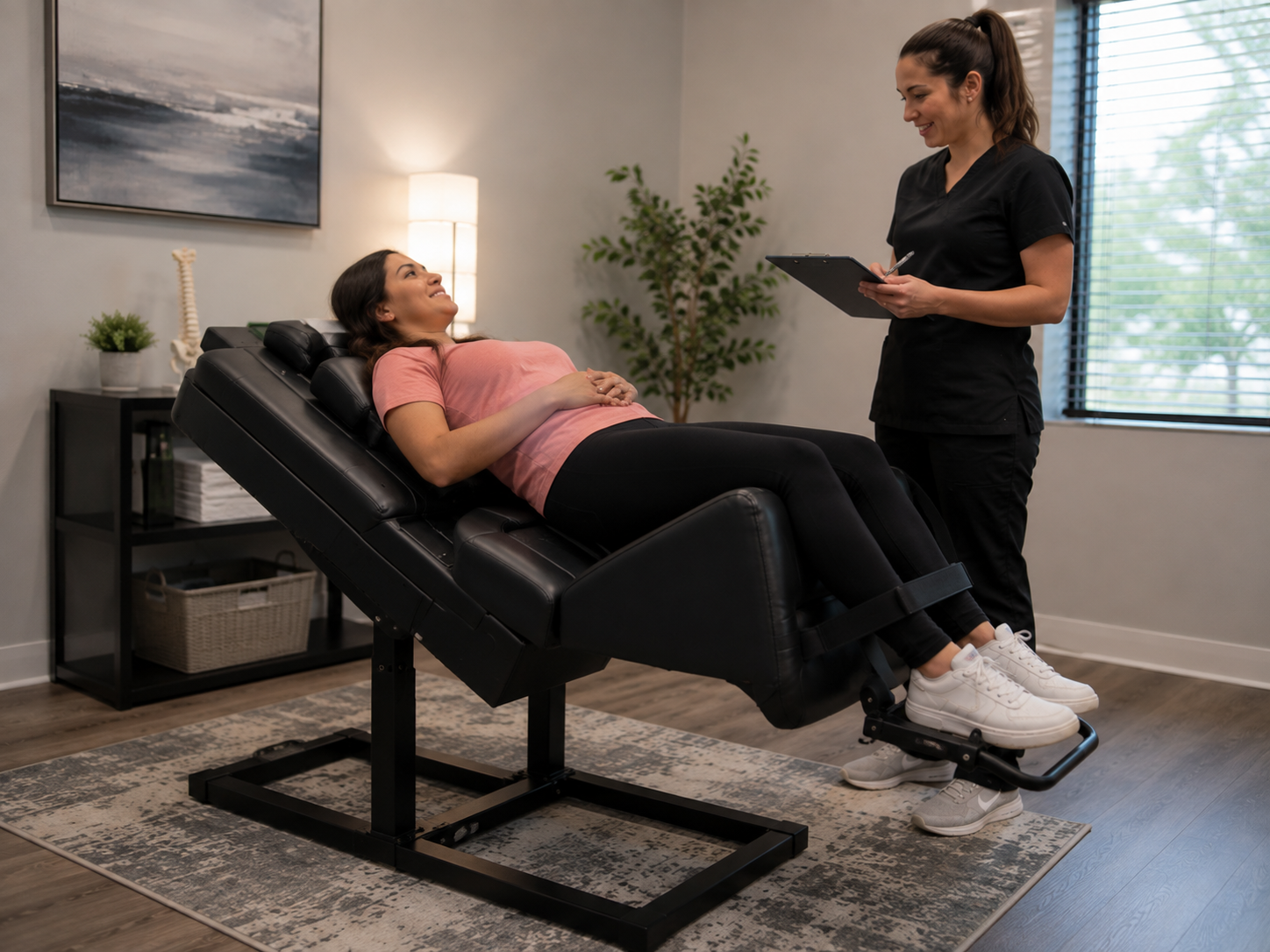
During spinal decompression therapy, you lie on a specialized table that uses a computerized system to apply gentle, targeted traction to your spine. The process is precise and customized to your specific condition.

The Treatment Process:

  1. Assessment – Your chiropractor will evaluate your condition to determine if spinal decompression is right for you.
  2. Session Setup – You’ll be comfortably positioned on the decompression table. A harness will secure your body to ensure proper alignment.
  3. Decompression Phase – The table gently stretches your spine, creating negative pressure within the discs. This process is painless and often relaxing.
  4. Post-Treatment Care – Depending on your needs, complementary therapies such as chiropractic adjustments or physical therapy exercises may follow.

Each session typically lasts 20-30 minutes, with most patients requiring multiple sessions over several weeks to achieve optimal results.

Conditions Treated by Spinal Decompression

Spinal decompression therapy is effective for a variety of back and neck conditions, including:

  • Herniated or Bulging Discs – Reduces pressure on discs, allowing them to heal naturally.
  • Sciatica – Relieves pressure on the sciatic nerve, alleviating pain and numbness in the legs.
  • Degenerative Disc Disease – Slows the progression of disc degeneration by promoting rehydration and reducing stress on affected areas.
  • Spinal Stenosis – Alleviates pain caused by narrowing of the spinal canal.
  • Facet Joint Syndrome – Improves mobility and reduces pain in the joints connecting vertebrae.

The Effectiveness of Spinal Decompression

Spinal decompression has been shown to provide significant relief for many patients suffering from chronic back pain. Its non-invasive nature makes it a preferred alternative to surgery or long-term reliance on medication.

Benefits of Spinal Decompression Therapy:

  • Pain Relief – Reduces pressure on nerves and discs, alleviating pain in the back, neck, and legs.
  • Improved Mobility – Restores spinal alignment, allowing for better range of motion and reduced stiffness.
  • Supports Natural Healing – Enhances the body’s ability to repair damaged tissues by improving circulation and nutrient delivery.

Non-Invasive and Drug-Free – Offers a safe alternative to surgery and medications with no downtime or significant risks.

Is Spinal Decompression Right for You?

Spinal decompression is suitable for many patients with chronic back pain, but it’s important to consult with a chiropractor or healthcare professional to determine if it’s the best option for your condition. It may not be recommended for individuals with severe osteoporosis, fractures, or spinal instability.

Spinal Decompression at Abundant Life Chiropractic in Chanhassen

At Abundant Life Chiropractic, we specialize in spinal decompression therapy to help patients find lasting relief from chronic back pain. Our experienced team will assess your condition and develop a personalized treatment plan to address your unique needs.

If you’re tired of living with chronic pain caused by herniated discs, sciatica, or other conditions, spinal decompression therapy may be the solution you’ve been looking for. Schedule a consultation with us today and take the first step toward a pain-free life.

Frequently Asked Questions (FAQs)

Is spinal decompression therapy painful?

No, spinal decompression is a gentle and comfortable treatment. Many patients find it relaxing.

How long does it take to see results?

Some patients notice improvement after a few sessions, while others may require several weeks of treatment to experience significant relief.

Can spinal decompression help avoid surgery?

Yes, many patients use spinal decompression as a non-invasive alternative to back surgery, with excellent results.

Are there any risks or side effects?

Spinal decompression is a safe treatment with minimal risks. Your chiropractor will assess your condition to ensure it’s appropriate for you.

Is spinal decompression covered by insurance?

Coverage varies by plan. Contact us, and we’ll help determine your benefits and options.


from
https://abundantlifechiropractor.com/back-pain/spinal-decompression-for-back-pain/

Could Spinal Decompression at Abundant Life Be the Relief Your Back Needs?

Could Spinal Decompression at Abundant Life Be the Relief Your Back Needs? Back pain can make ordinary activities feel difficult. Sitting ...