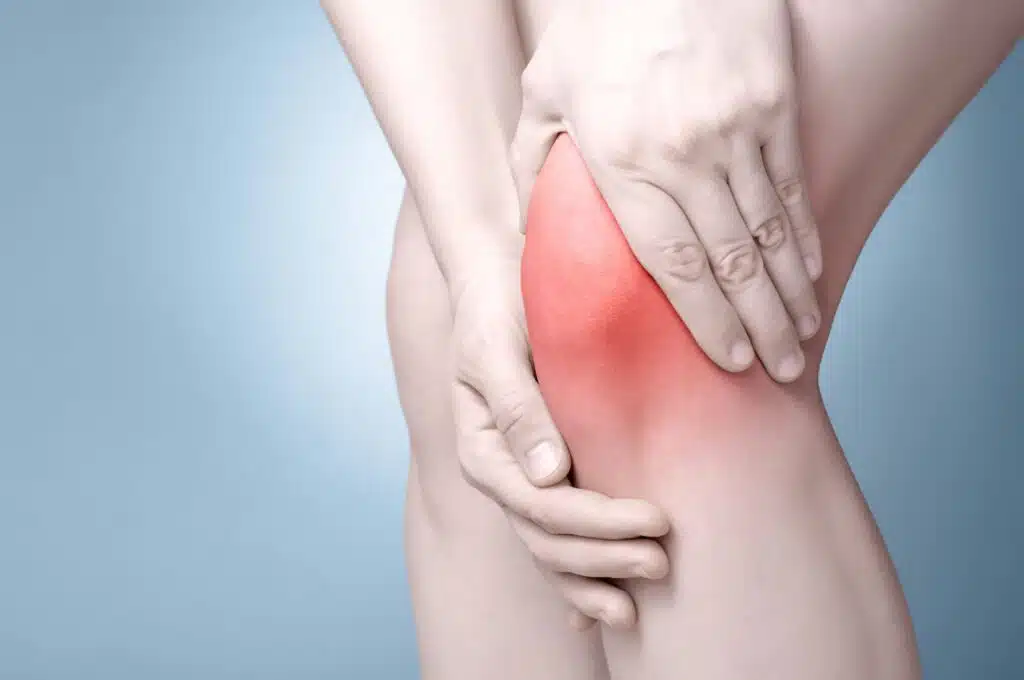
Comprehensive Recovery Plans After Car Accidents and Physical Trauma Injuries

Car accidents and physical trauma injuries can have a lasting impact on every aspect of a person’s life. From physical pain and limited mobility to emotional stress and financial burdens, the aftermath of an accident can feel overwhelming. Even seemingly minor collisions can result in injuries that gradually worsen over time if left untreated. Many individuals do not realize the severity of their injuries until days or even weeks after the accident occurs. Because of this, seeking immediate and comprehensive care is essential for achieving full recovery and preventing long-term complications.
At Abundant Life Chiropractic, patients receive personalized recovery plans designed to address the root causes of pain and restore overall wellness. Chiropractic care focuses on helping the body heal naturally by correcting spinal misalignments, reducing inflammation, improving nervous system function, and promoting long-term mobility. Whether someone is experiencing whiplash, back pain, soft tissue injuries, headaches, or nerve irritation, a structured treatment plan can significantly improve recovery outcomes.
According to the Centers for Disease Control and Prevention (CDC), motor vehicle accidents remain one of the leading causes of injury worldwide, highlighting the importance of prompt medical evaluation and proper rehabilitation following trauma. Early intervention can help prevent chronic pain conditions and support a faster return to normal activities.
Understanding the Impact of Car Accident Injuries
When a vehicle collision occurs, the body experiences sudden force that can affect muscles, ligaments, tendons, joints, discs, and nerves. Even at low speeds, the impact may create enough stress to injure the spine and surrounding tissues. Because adrenaline increases immediately after an accident, many people fail to recognize the full extent of their injuries until later.
Some of the most common car accident injuries include:
-
Whiplash
-
Neck pain
-
Lower back pain
-
Herniated discs
-
Muscle strains
-
Ligament sprains
-
Sciatica
-
Shoulder injuries
-
Headaches and migraines
-
Joint inflammation
-
Soft tissue damage
-
Reduced range of motion
Whiplash is one of the most frequently reported injuries after a collision. It occurs when the neck suddenly jerks backward and forward, placing strain on muscles, tendons, and ligaments. Symptoms may include stiffness, dizziness, headaches, blurred vision, shoulder pain, fatigue, and numbness in the arms. Without proper treatment, whiplash symptoms can become chronic and interfere with daily life.
Back injuries are also common after accidents. The force of impact can compress spinal discs, create misalignments, and irritate nearby nerves. This may result in radiating pain, tingling sensations, muscle weakness, or difficulty standing and walking comfortably.
At Abundant Life Chiropractic, treatment plans are designed to identify hidden injuries and address both immediate symptoms and long-term healing needs.
Why Immediate Evaluation Is Critical
One of the biggest mistakes accident victims make is delaying treatment. Many people assume they are fine because they do not feel pain immediately after the collision. However, soft tissue injuries and inflammation often take time to develop. By the time symptoms appear, the damage may already be worsening.
Seeking prompt chiropractic evaluation offers several important benefits:
-
Detects hidden injuries early
-
Prevents chronic pain conditions
-
Reduces inflammation
-
Improves circulation
-
Supports faster healing
-
Restores spinal alignment
-
Minimizes scar tissue buildup
-
Improves mobility and flexibility
Delayed treatment can lead to complications such as chronic headaches, persistent neck pain, limited movement, nerve compression, and posture problems. Early intervention helps ensure the body heals properly before long-term dysfunction develops.
The Importance of Comprehensive Recovery Plans
Every accident injury is unique, which means treatment should never follow a one-size-fits-all approach. Comprehensive recovery plans combine multiple therapies tailored to each patient’s condition, symptoms, and recovery goals.
At Abundant Life Chiropractic’s Auto Accident Treatment Center, patients receive individualized care plans that focus on total-body recovery rather than temporary symptom relief.
A comprehensive recovery plan may include:
-
Chiropractic adjustments
-
Soft tissue therapy
-
Rehabilitation exercises
-
Massage therapy
-
Spinal decompression
-
Posture correction
-
Lifestyle recommendations
-
Nutritional guidance
These therapies work together to restore balance, improve mobility, reduce pain, and strengthen the body against future injuries.
Thorough Initial Assessment and Diagnosis
The recovery process begins with a complete evaluation. Chiropractors carefully assess the patient’s posture, spinal alignment, mobility, muscle tension, and nervous system function.
The initial assessment may involve:
-
Physical examination
-
Range-of-motion testing
-
Neurological evaluation
-
Orthopedic testing
-
Postural analysis
-
X-rays or imaging referrals if necessary
This thorough evaluation helps identify underlying problems that may not be immediately obvious. For example, spinal misalignments can place pressure on nerves without causing immediate pain. Early diagnosis allows chiropractors to develop targeted treatment strategies before symptoms worsen.
Chiropractic Adjustments for Injury Recovery
Chiropractic adjustments are one of the most effective non-invasive treatments for accident-related injuries. During a collision, vertebrae in the spine can shift out of alignment, interfering with nervous system communication and causing pain, stiffness, and inflammation.
Chiropractic adjustments help:
-
Restore proper spinal alignment
-
Improve nervous system function
-
Reduce muscle tension
-
Increase flexibility
-
Improve posture
-
Relieve nerve compression
-
Enhance mobility
-
Support natural healing
Unlike pain medications that only mask symptoms temporarily, chiropractic care addresses the root cause of discomfort. Many patients experience gradual improvements in pain levels, movement, and overall well-being through consistent chiropractic treatment.
Soft Tissue Therapy and Muscle Rehabilitation
Car accidents frequently injure muscles, ligaments, and tendons. Soft tissue damage may lead to inflammation, muscle spasms, scar tissue formation, and reduced flexibility.
Soft tissue therapy plays a critical role in recovery by improving circulation and encouraging tissue healing.
Common soft tissue therapies include:
Myofascial Release
This technique targets tension within the connective tissues surrounding muscles. It helps reduce tightness and improve movement.
Trigger Point Therapy
Trigger points are painful knots within muscles that can refer pain to other parts of the body. Therapy helps release these points and relieve discomfort.
Stretching and Mobility Therapy
Gentle stretching helps restore range of motion while reducing stiffness and tension.
Instrument-Assisted Soft Tissue Mobilization
Specialized tools may be used to break down scar tissue and improve tissue healing.
Soft tissue rehabilitation is especially important after whiplash and back injuries because untreated scar tissue can restrict movement and contribute to chronic pain.
Rehabilitation Exercises for Long-Term Healing
Recovery does not end once pain decreases. Rehabilitation exercises are essential for restoring strength, flexibility, balance, and stability.
Corrective exercises help:
-
Strengthen weak muscles
-
Improve posture
-
Prevent re-injury
-
Enhance flexibility
-
Stabilize the spine
-
Improve coordination
-
Restore normal movement patterns
Customized rehabilitation programs may include:
-
Core strengthening
-
Neck stabilization exercises
-
Balance training
-
Stretching routines
-
Resistance exercises
-
Postural correction drills
Patients who actively participate in rehabilitation often experience better long-term outcomes and lower risk of recurring injuries.
Spinal Decompression Therapy
Some accident victims develop herniated discs or nerve compression following trauma. Spinal decompression therapy is a non-surgical treatment designed to reduce pressure on spinal discs and nerves.
This therapy gently stretches the spine to create space between vertebrae, allowing injured discs to heal more effectively.
Benefits of spinal decompression include:
-
Reduced nerve pressure
-
Improved circulation
-
Decreased lower back pain
-
Relief from sciatica symptoms
-
Better spinal mobility
-
Enhanced disc healing
Spinal decompression can be especially beneficial for patients experiencing numbness, tingling, or radiating pain into the arms or legs.
Massage Therapy for Recovery and Relaxation
Massage therapy is another valuable component of comprehensive recovery plans. Injured muscles often become tense and inflamed after trauma, contributing to pain and limited mobility.
Massage therapy helps:
-
Reduce muscle tension
-
Improve blood flow
-
Promote relaxation
-
Reduce stress
-
Improve flexibility
-
Decrease scar tissue buildup
-
Relieve headaches
Combining massage therapy with chiropractic care often enhances recovery by addressing both structural and muscular issues simultaneously.
The Connection Between Emotional Stress and Physical Pain
Car accidents can also take an emotional toll. Anxiety, fear, sleep disturbances, and emotional stress are common after traumatic events.
Stress can increase muscle tension and slow the healing process. Comprehensive recovery plans often address emotional wellness through lifestyle recommendations and stress management strategies.
Helpful approaches may include:
-
Relaxation techniques
-
Breathing exercises
-
Gentle physical activity
-
Consistent sleep schedules
-
Meditation
-
Healthy social support
Mental well-being plays an important role in physical healing. Supporting both the body and mind often leads to better recovery outcomes.
Nutritional Support During Injury Recovery
Proper nutrition provides the body with essential nutrients needed for tissue repair and inflammation control.
Important nutritional recommendations may include:
Anti-Inflammatory Foods
Foods rich in antioxidants and omega-3 fatty acids may help reduce inflammation. Examples include:
- Salmon
- Leafy greens
- Berries
- Nuts
- Olive oil
Hydration
Staying hydrated supports circulation and tissue healing.
Protein Intake
Protein helps repair damaged muscles and connective tissues.
Limiting Processed Foods
Reducing sugar and processed foods may help minimize inflammation.
A healthy lifestyle combined with chiropractic care creates a strong foundation for long-term healing.
Common Symptoms That Should Never Be Ignored
Some symptoms may indicate serious underlying injuries and should always be professionally evaluated.
Warning signs include:
-
Persistent headaches
-
Neck stiffness
-
Dizziness
-
Tingling or numbness
-
Difficulty sleeping
-
Radiating pain
-
Muscle weakness
-
Limited range of motion
-
Chronic fatigue
-
Severe lower back pain
Ignoring these symptoms may increase the risk of chronic pain and long-term disability.
Preventing Chronic Pain After Trauma
One of the primary goals of comprehensive recovery plans is preventing acute injuries from becoming chronic conditions.
Without proper treatment:
-
Scar tissue may develop improperly
-
Posture may worsen
-
Muscles can weaken
-
Nerves may remain compressed
-
Mobility may decrease
Consistent chiropractic care and rehabilitation help ensure the body heals correctly and maintains proper function.
Benefits of Non-Invasive Chiropractic Care
Many patients seek chiropractic treatment because it provides a natural, drug-free approach to pain management and healing.
Benefits of chiropractic care include:
-
Non-surgical treatment
-
Drug-free pain relief
-
Personalized care plans
-
Improved mobility
-
Reduced inflammation
-
Better posture
-
Whole-body wellness support
Rather than masking symptoms temporarily, chiropractic care focuses on restoring proper function to the musculoskeletal and nervous systems.
Recovery Timelines After Car Accidents
Every patient heals differently depending on:
-
Severity of injuries
-
Overall health
-
Age
-
Consistency of treatment
-
Lifestyle habits
Minor injuries may improve within weeks, while more severe trauma may require several months of rehabilitation. Following a personalized treatment plan consistently often leads to better outcomes.
The Role of Ongoing Monitoring and Follow-Up Care
Recovery is an ongoing process. Regular follow-up appointments allow chiropractors to monitor progress and adjust treatment plans as needed.
Ongoing care may involve:
-
Progress evaluations
-
Mobility assessments
-
Exercise modifications
-
Additional therapies
-
Maintenance adjustments
This proactive approach helps ensure lasting recovery and prevents setbacks.
Why Choose Abundant Life Chiropractic for Auto Injury Recovery?
At Abundant Life Chiropractic, patients receive compassionate, patient-focused care designed to support complete healing after physical trauma injuries.
The clinic focuses on:
-
Personalized treatment plans
-
Natural healing approaches
-
Comprehensive rehabilitation
-
Long-term wellness
-
Advanced chiropractic techniques
Whether someone is experiencing whiplash, back pain, headaches, or soft tissue injuries, the goal is to restore mobility, reduce pain, and improve quality of life.
Frequently Asked Questions (FAQs)
How soon should I seek treatment after a car accident?
It is recommended to seek evaluation immediately after an accident, even if symptoms seem mild. Early treatment can identify hidden injuries before they worsen.
Can chiropractic care help with whiplash?
Yes. Chiropractic adjustments and soft tissue therapies are highly effective for reducing whiplash-related pain and restoring neck mobility.
Is chiropractic treatment safe after physical trauma?
When performed by trained professionals, chiropractic care is considered safe and non-invasive. Treatment plans are customized for each patient’s condition.
How long does accident recovery usually take?
Recovery varies depending on injury severity and consistency of treatment. Some patients recover within weeks, while others may require longer rehabilitation.
Can chiropractic care reduce headaches after accidents?
Yes. Many accident-related headaches are caused by neck tension, spinal misalignments, and muscle strain that chiropractic care can address.
What if symptoms appear days later?
Delayed symptoms are common after accidents. Pain and inflammation often develop gradually, which is why early evaluation is important even if you initially feel fine.
Will chiropractic care help me avoid surgery?
In many cases, chiropractic treatment and rehabilitation help patients recover naturally without invasive procedures.
Conclusion
Recovering from car accidents and physical trauma injuries requires more than temporary pain relief. Comprehensive recovery plans focus on identifying the root causes of pain, restoring spinal alignment, improving mobility, and supporting the body’s natural healing process. Through chiropractic adjustments, rehabilitation exercises, massage therapy, spinal decompression, and lifestyle support, patients can experience meaningful improvements in both physical health and quality of life.
Ignoring accident injuries or delaying treatment may increase the risk of chronic pain and long-term complications. Seeking professional care early provides the best opportunity for complete recovery and long-lasting wellness.
At Abundant Life Chiropractic, patients receive compassionate, individualized care designed to help them heal safely, naturally, and effectively after trauma injuries.
If you or a loved one has been injured in a car accident, do not wait for symptoms to worsen. Early treatment can make a significant difference in your recovery and long-term health.
Contact Abundant Life Chiropractic today to schedule your consultation and begin your personalized recovery plan.
Phone: (952) 300-8338
Email: ca@abundantlifechiropractor.com
Address: 7945 Stone Creek Drive #120 Chanhassen, MN
Website: abundantlifechiropractor.com
The post Comprehensive Recovery Plans After Car Accidents and Physical Trauma Injuries appeared first on Abundant Life Chiropractic Health Center.
from
https://abundantlifechiropractor.com/recovery-plans-car-accident-injuries/