Monday, December 29, 2025

Neurologically Based Chiropractic Care for Lasting Pain Relief
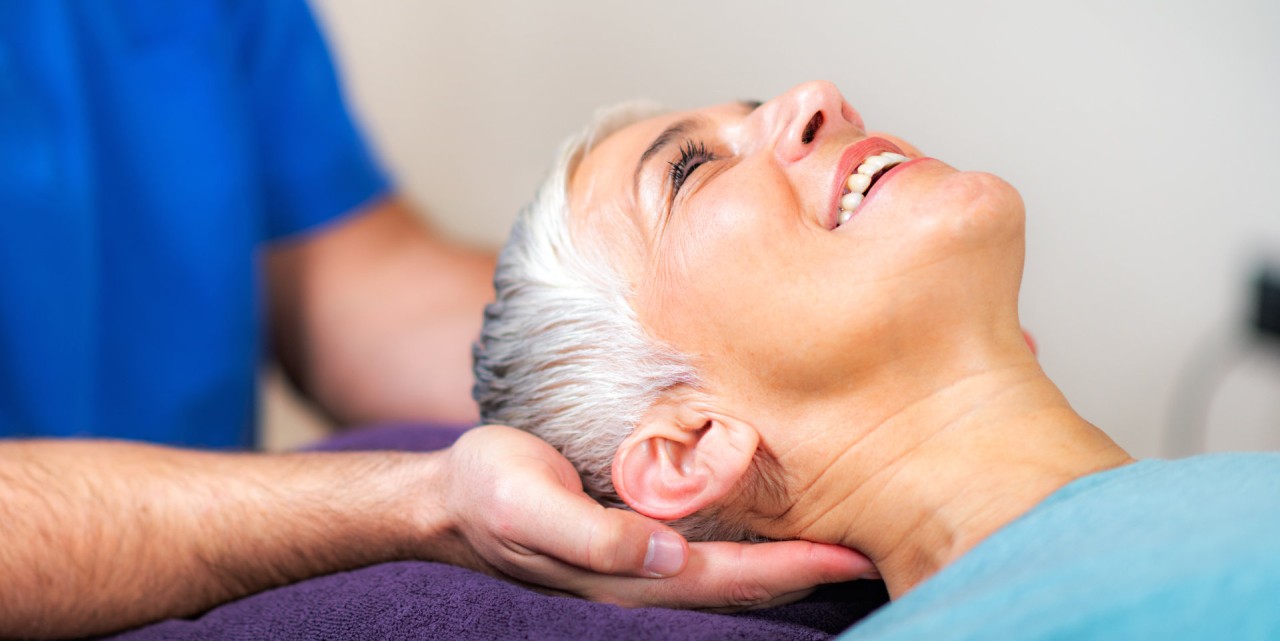
Neurologically Based Chiropractic Care for Lasting Pain Relief

Chiropractic Care for Common Senior Health Conditions - Blog

Pain is one of the most common reasons people seek healthcare, yet it remains one of the most misunderstood issues. Many individuals spend years navigating a cycle of medications, injections, physical therapy, or short-term treatments that may temporarily mask discomfort but fail to address the underlying cause. Chronic pain, if left unresolved, can impact not only physical comfort but also emotional well-being, mental clarity, productivity, and overall quality of life. It often limits daily activities, creates stress, and can reduce overall health over time.

At Abundant Life Chiropractic, we believe that real and lasting healing begins by targeting the root cause of the problem rather than simply treating symptoms. Our approach is centered on neurologically based chiropractic care, a modern, evidence-informed method that focuses on restoring proper nervous system function. By improving communication between the brain and body, we help the body heal naturally, efficiently, and safely.

We have successfully assisted thousands of patients across Minnesota and surrounding areas in overcoming both acute and chronic pain. Our care plans are focused, goal-oriented, and designed to achieve lasting relief without unnecessary or endless appointments. We respect your time, your lifestyle, and your long-term health objectives, ensuring that every treatment supports real, measurable progress.


Understanding Neurologically Based Chiropractic Care

Neurologically based chiropractic care is founded on the essential principle that the nervous system controls and coordinates every function within the body. From basic movement and sensation to complex processes such as digestion, immune response, and tissue healing, the nervous system serves as the body’s central command system. When this system functions optimally, the body is better equipped to adapt, heal, and maintain balance.

The spine plays a vital role in this process by protecting the spinal cord and ensuring clear communication between the brain and the rest of the body. However, when spinal misalignments—commonly referred to as subluxations—develop, they can interfere with these vital nerve signals. Over time, this disruption may contribute to chronic pain, muscle tension, reduced mobility, inflammation, and delayed healing. Neurologically based chiropractic care focuses on identifying and correcting these interferences, allowing the nervous system to function properly and supporting the body’s natural ability to heal and perform at its best.

Unlike traditional chiropractic models that may focus primarily on joint manipulation or pain relief, neurologically based chiropractic care emphasizes:

  • Objective nervous system assessment

  • Identifying patterns of neurological stress

  • Correcting spinal dysfunction with precision

  • Supporting long-term nervous system stability

The ultimate goal is not just to relieve pain, but to restore optimal communication between the brain and body so healing can occur from the inside out.


The Role of the Nervous System in Pain and Healing

Pain is the body’s natural way of signaling that something is not functioning as it should. Rather than being the problem itself, pain serves as an important warning sign that underlying stress, imbalance, or dysfunction is present. In many cases, nervous system interference develops gradually and may go unnoticed for months or even years before pain appears. During this time, the body often compensates through changes in posture, muscle tension, or movement patterns. When these compensations can no longer keep up, pain emerges. Addressing the root cause early helps restore proper nervous system function and supports long-term healing rather than temporary relief.

How Nervous System Interference Develops

Nervous system interference can result from a variety of factors, including:

  • Poor posture

  • Repetitive movements

  • Prolonged sitting or screen use

  • Physical trauma (such as car accidents or sports injuries)

  • Chronic stress

  • Improper ergonomics

When the nervous system is under constant stress, the body may adapt in unhealthy ways. Muscles tighten, joints lose mobility, posture shifts, and inflammation increases. Over time, these changes can lead to chronic pain conditions that seem difficult to resolve.

Neurologically based chiropractic care aims to interrupt this cycle by restoring balance to the nervous system, allowing the body to repair and regulate itself more effectively.


Advanced Assessments Used in Neurologically Based Care

At Abundant Life Chiropractic, we utilize advanced, non-invasive technologies to accurately assess how the nervous system is functioning. These state-of-the-art tools provide valuable insight into areas of stress, imbalance, or dysfunction that may not be detected through standard imaging or routine physical examinations. By evaluating nerve activity, muscle tension patterns, posture, and spinal alignment, we gain a clearer understanding of the root causes behind pain and dysfunction. This detailed approach allows us to develop precise, personalized care plans tailored to each patient’s needs, ensuring more effective treatment, measurable progress, and longer-lasting results without unnecessary or invasive procedures.

Common Assessment Tools We Use

At Abundant Life Chiropractic, we utilize cutting-edge, non-invasive tools to gain a deep understanding of your nervous system and how it’s functioning. These advanced assessments allow us to uncover issues that traditional exams might miss and provide a clear roadmap for your care.

Surface Electromyography (sEMG): This test measures muscle activity and tension patterns, helping us identify areas where nerves may be under stress or not communicating properly.

Thermal Scanning (Thermography): By detecting subtle temperature differences along the spine, we can pinpoint nerve irritation or dysfunction before it manifests as pain.

Postural Analysis: Your posture tells a story about spinal alignment and structural imbalances. Through detailed analysis, we can see how your body compensates and where adjustments are needed.

Range-of-Motion Testing: Assessing joint mobility and neurological coordination helps us understand how well your nervous system and musculoskeletal system work together.

By combining these objective measurements, we design personalized care plans and track your progress with precision, ensuring improvements that are both real and long-lasting.


How Neurologically Based Chiropractic Differs From Traditional Chiropractic Care

Many patients seek care at Abundant Life Chiropractic after experiencing only temporary relief from other treatment approaches. While short-term improvements can be helpful, they often fail to address the underlying cause of pain or dysfunction. The key difference lies in our approach, which focuses on identifying and correcting nervous system interference rather than simply managing symptoms. By using objective assessments and personalized care plans, we target the root of the issue and support long-term healing. This method allows patients to experience more consistent progress, improved stability, and lasting results without relying on ongoing or indefinite care.

Traditional Chiropractic Care Often:

  • Focuses primarily on pain symptoms

  • Uses generalized adjustments

  • Provides short-term relief

  • Relies on subjective feedback alone


Neurologically Based Chiropractic Care:

  • Targets the root cause of dysfunction

  • Uses objective neurological data

  • Applies precise, gentle adjustments

  • Follows structured, goal-based care plans

This approach allows patients to move beyond symptom management and toward lasting health improvements.


Conditions Commonly Addressed

Neurologically based chiropractic care can benefit individuals dealing with a wide range of conditions by improving communication within the nervous system. When nerve signals flow clearly between the brain and body, the body is better able to regulate movement, reduce inflammation, and support natural healing processes. This approach can help with both acute and chronic concerns, including back and neck pain, headaches, sciatica, and postural issues. By addressing the underlying neurological imbalances rather than focusing solely on symptoms, patients often experience improved mobility, reduced discomfort, and enhanced overall function. Optimizing nervous system health supports long-term stability and better quality of life.

Acute Conditions

  • Sudden back or neck pain

  • Sports injuries

  • Muscle strains and sprains

  • Whiplash and accident-related injuries


Chronic Conditions

  • Chronic low back pain

  • Degenerative disc conditions

  • Sciatica and nerve pain

  • Migraines and tension headaches

  • Postural-related pain

  • Repetitive stress injuries


Lifestyle-Related Challenges

  • Desk-related neck and shoulder pain

  • Tech neck and forward head posture

  • Stress-induced muscle tension

  • Reduced mobility from sedentary habits

By improving neurological function, the body becomes better equipped to heal and adapt to everyday stressors.


The Abundant Life Chiropractic Care Process

Our care process is designed to be thorough, efficient, and results-driven, ensuring that every visit has clear purpose and value. We begin with a comprehensive assessment to understand your health history, nervous system function, and specific goals. Using advanced, non-invasive evaluations, we identify the root cause of your concerns and develop a personalized care plan tailored to your needs. Adjustments are precise and gentle, focusing on restoring proper neurological balance rather than temporary symptom relief. Throughout care, we monitor progress with objective measurements to ensure consistent improvement, helping you achieve lasting results without unnecessary or prolonged treatment.

Step 1: Comprehensive Consultation and Assessment

We begin by understanding your health history, lifestyle, and goals. Advanced neurological scans and posture analysis provide insight into how your nervous system is functioning.


Step 2: Personalized Care Plan

Based on your assessment results, we design a customized care plan with clear objectives and timelines. Our plans are focused—not endless.


Step 3: Gentle, Precise Chiropractic Adjustments

Adjustments are designed to support neurological balance using gentle, targeted techniques rather than forceful manipulation.


Step 4: Progress Monitoring

We continuously track progress using objective measurements to ensure your nervous system is responding appropriately to care.

This structured approach ensures that every visit has purpose and measurable value.


Benefits Beyond Pain Relief

Patients often experience improvements that go well beyond simply reducing pain. As nervous system function is restored, the body becomes more balanced, flexible, and resilient, allowing for enhanced overall wellness. Many individuals notice better posture, increased mobility, and greater ease in daily activities. Improved nervous system communication can also lead to better sleep, higher energy levels, and reduced stress, contributing to overall quality of life. Additionally, correcting underlying dysfunction helps prevent future injuries and supports long-term health. Neurologically based chiropractic care addresses both immediate discomfort and overall body function, providing lasting benefits that impact multiple aspects of well-being.


Reported Benefits Include:

  • Improved posture and spinal stability

  • Increased mobility and flexibility

  • Better sleep quality

  • Enhanced energy levels

  • Improved stress resilience

  • Greater overall sense of well-being

When the nervous system functions optimally, the entire body performs better.


Why Lasting Relief Requires Addressing the Root Cause

Temporary fixes, such as pain medications or superficial treatments, may offer short-term comfort but rarely address the underlying neurological issues that contribute to pain. When the root cause is ignored, symptoms often return, leading to ongoing discomfort and frustration. Neurologically based chiropractic care takes a different approach by focusing on correcting nervous system interference, restoring proper spinal alignment, and improving communication between the brain and body. This method promotes stability, supports natural healing, and helps the body function optimally. Patients not only experience lasting relief but also gain increased resilience, mobility, and the ability to better handle daily physical demands.


Frequently Asked Questions (FAQs)

Is neurologically based chiropractic care safe?

Yes. This approach is gentle, precise, and based on objective neurological assessments. It is safe for individuals of all ages.

How long does it take to see results?

Many patients notice improvements within the first few weeks, though results vary depending on the severity and duration of the condition.

Do I need chiropractic care forever?

No. Our care plans are goal-based and designed to help patients achieve stability and independence—not endless treatment.

Does chiropractic care hurt?

Most patients report little to no discomfort. Adjustments are tailored to each individual’s comfort level.

Can chiropractic help if I have had pain for years?

Yes. Chronic pain often involves long-standing nervous system interference, which neurologically based chiropractic care is designed to address.


Conclusion

Neurologically based chiropractic care provides a powerful, natural approach for individuals seeking lasting relief from pain without relying on unnecessary or ongoing treatments. Unlike temporary solutions that only mask symptoms, this method addresses the root cause of discomfort by optimizing nervous system function. By focusing on how the brain and body communicate, Abundant Life Chiropractic helps patients move beyond mere symptom management toward genuine, long-term healing and improved overall wellness.

Our approach begins with advanced, non-invasive assessments that identify areas of nerve interference and structural imbalance. From there, we develop personalized care plans tailored to each patient’s specific needs and goals. Adjustments are precise and gentle, designed to restore proper spinal alignment and enhance nervous system communication. With ongoing monitoring and measurable results, patients across Minnesota experience not only reduced pain but also improved mobility, posture, energy, and confidence. This comprehensive approach empowers individuals to enjoy lasting health and a higher quality of life.

If you are ready to experience real results and lasting relief, Abundant Life Chiropractic is here to help.

Schedule your consultation today and take the first step toward better neurological health and pain-free living.

Contact Information

Phone: (952) 300-8338
Email: ca@abundantlifechiropractor.com
Fax: (952) 737-1009
Address: 7945 Stone Creek Drive, Suite 120, Chanhassen, MN 55317
Website: abundantlifechiropractor.com

The post Neurologically Based Chiropractic Care for Lasting Pain Relief appeared first on Abundant Life Chiropractic Health Center.


from
https://abundantlifechiropractor.com/neurologically-based-chiropractic-care/

Monday, December 22, 2025

Lasting Knee Pain Relief Starts with the Right Care

Lasting Knee Pain Relief Starts with the Right Care

Take control of your knee pain - Harvard Health

Knee pain is a common condition that affects millions of people each year, impacting individuals of all ages and activity levels. It may begin as a mild ache after exercise or daily activity, but over time it can develop into persistent pain that interferes with walking, standing, bending, or even sitting comfortably. Because the knee plays a crucial role in nearly every movement, discomfort in this joint often affects the entire body, limiting mobility and reducing overall quality of life.

Many people turn to pain medications, injections, or short-term treatments to cope with knee pain. While these options may offer temporary relief, they often fail to address the underlying cause of the problem. True and lasting knee pain relief starts with the right care—care that focuses on correcting the source of pain rather than simply masking symptoms.

At Abundant Life Chiropractic, we take a holistic, patient-centered approach to knee pain relief. Our care focuses on improving spinal alignment, restoring proper joint mechanics, correcting muscle imbalances, and addressing lifestyle factors that contribute to ongoing discomfort. By supporting the body’s natural ability to heal, chiropractic care can help reduce pain, improve mobility, and promote long-term knee health.


Understanding the Complexity of the Knee Joint

The knee is one of the most important and complex joints in the human body, serving as a critical connection between the thigh bone (femur) and the shinbone (tibia). It also works in coordination with the kneecap (patella), ligaments, cartilage, muscles, and tendons to allow smooth and controlled movement. This intricate system provides both stability and flexibility, enabling everyday activities such as walking, running, climbing stairs, bending, and even sitting.

Because the knee bears a significant portion of the body’s weight and absorbs considerable force during movement, it is highly susceptible to injuries, wear and tear, and degenerative conditions. Over time, repeated stress, improper movement patterns, or misalignments in other parts of the body—such as the hips, spine, or ankles—can negatively affect knee function. This can lead to chronic pain, swelling, stiffness, reduced range of motion, and even instability.

Maintaining proper knee alignment and joint mechanics is essential for long-term health. Preventative care, including strengthening supporting muscles, maintaining flexibility, and addressing biomechanical issues early, can help reduce the risk of injury. Understanding the knee’s complexity highlights the importance of a holistic approach to knee health, supporting both function and mobility for years to come.

Why Knee Pain Develops

Knee pain can develop suddenly due to injury or gradually over time because of wear and tear. Common contributing factors include:

  • Repetitive stress from work or sports

  • Poor posture and body mechanics

  • Muscle imbalances

  • Improper footwear

  • Excess body weight

  • Previous injuries

  • Degenerative conditions

  • Spinal or pelvic misalignment

When these factors go unaddressed, knee pain can become chronic and progressively worse.


Common Causes of Knee Pain

Knee pain can develop from a variety of factors, and understanding the underlying cause is crucial for effective treatment. One of the most common contributors is osteoarthritis, a degenerative condition where cartilage gradually wears down, leading to stiffness, swelling, and discomfort, particularly in older adults. Ligament injuries, such as tears or sprains in the ACL, MCL, or PCL, can cause instability, reduced range of motion, and significant pain, often resulting from sports or sudden movements. Another frequent issue is meniscus tears, which occur when the cartilage that cushions the knee is damaged during twisting or pivoting motions, causing pain, swelling, and sometimes locking of the joint.

Patellofemoral pain syndrome, often referred to as “runner’s knee,” arises when the kneecap does not track properly, creating friction and discomfort. Tendonitis and bursitis result from overuse, repetitive activity, or inflammation of tendons and fluid-filled sacs. Additionally, knee pain can be referred from misalignments in the hips, spine, or ankles, highlighting the need for a comprehensive, whole-body approach to care and healing.

Osteoarthritis

A degenerative joint condition where the protective cartilage wears down over time. This can lead to stiffness, swelling, and persistent discomfort, especially in older adults or those with a history of joint stress.

Ligament Injuries

Sprains or tears in ligaments like the ACL, MCL, or PCL can make the knee unstable, painful, and limit movement. These injuries are common in sports, sudden twists, or falls.

Meniscus Tears

The meniscus acts as a cushion for the knee. Twisting or sudden pivoting can tear this cartilage, causing swelling, pain, or a sensation that the knee is locking.

Patellofemoral Pain Syndrome

Often called “runner’s knee,” this occurs when the kneecap doesn’t track properly, creating friction and discomfort. Active individuals or those with misaligned knees are especially prone.

Tendonitis and Bursitis

Overuse, repetitive movements, or sudden activity spikes can inflame tendons or bursae, resulting in localized pain and tenderness.

Referred Pain from Other Areas

Surprisingly, knee pain isn’t always caused by the knee itself. Misalignments in the spine, hips, or ankles can create stress that radiates to the knee, highlighting the importance of holistic assessment.

Knee pain is rarely straightforward, and understanding these causes helps guide effective, long-term solutions rather than temporary fixes.


Why Treating Symptoms Alone Is Not Enough

Many conventional treatments for knee pain focus on alleviating discomfort rather than addressing the root cause. Pain medications, injections, and even surgical interventions can provide temporary relief, but they often fail to restore proper joint function or correct underlying biomechanical issues. Without targeting the source of the problem—such as misalignment, muscle imbalances, or poor movement patterns—knee pain can persist or worsen over time. Lasting relief requires a holistic approach that identifies and corrects these underlying factors, allowing the body to heal naturally and regain strength, stability, and mobility.

Limitations of Conventional Treatments

  • Painkillers mask pain without correcting biomechanics

  • Steroid injections provide temporary relief but may weaken tissues over time

  • Surgery carries risks and long recovery periods

  • Braces may offer support but don’t fix alignment issues

Without addressing the root cause, knee pain frequently returns—sometimes worse than before.


The Chiropractic Approach to Knee Pain Relief

Chiropractic care views the body as an interconnected system, understanding that knee health depends on more than just the joint itself. Misalignments in the spine, hips, or ankles can create abnormal stress on the knees, leading to pain, instability, or reduced mobility. Chiropractors assess posture, gait, and joint function to identify these underlying issues. By restoring proper alignment, improving joint mechanics, and addressing muscle imbalances, chiropractic care not only alleviates knee pain but also promotes long-term joint health. This holistic approach supports the body’s natural ability to heal and function optimally.

The Role of the Spine and Nervous System

The spine protects the nervous system, which controls muscle movement, coordination, and healing. Spinal misalignments can disrupt nerve communication, leading to:

  • Muscle weakness or tightness

  • Altered gait patterns

  • Poor balance

  • Increased stress on the knee joint

Correcting spinal alignment allows the body to move more efficiently and heal more effectively.


How Chiropractic Care Helps Relieve Knee Pain

At Abundant Life Chiropractic, relieving knee pain begins with a thorough evaluation to identify the root causes of discomfort. This assessment includes examining spinal and joint alignment, posture, gait, and muscle balance. Based on the findings, a personalized care plan is created to address your specific needs. Treatments may include gentle chiropractic adjustments, soft tissue therapy, corrective exercises, and lifestyle guidance. By improving alignment, reducing stress on the knee, and strengthening supporting muscles, chiropractic care promotes natural healing, restores proper function, and helps patients achieve long-term relief from knee pain.

1. Comprehensive Assessment

Your chiropractor will examine posture, movement patterns, joint alignment, and overall musculoskeletal health. This evaluation helps identify contributing factors such as pelvic imbalance or spinal misalignment.


2. Chiropractic Adjustments

Chiropractic adjustments help restore proper alignment to the spine, hips, knees, and ankles. These adjustments can:

  • Reduce joint pressure

  • Improve mobility

  • Decrease inflammation

  • Restore natural movement patterns

When alignment improves, the knee experiences less stress and can heal naturally.


3. Soft Tissue Therapy

Muscles and connective tissues play a key role in knee stability. Tight or inflamed tissues can pull the joint out of alignment. Soft tissue therapies help:

  • Release tension

  • Improve circulation

  • Reduce scar tissue

  • Speed up recovery


4. Corrective and Strengthening Exercises

Targeted exercises help strengthen muscles that support the knee, including the quadriceps, hamstrings, glutes, and core. These exercises improve stability, balance, and long-term joint health.


5. Posture, Gait, and Lifestyle Guidance

Daily habits have a major influence on knee health. Chiropractors provide guidance on:

  • Proper posture

  • Ergonomic workstations

  • Safe exercise techniques

  • Weight management

  • Footwear recommendations

These changes help prevent recurring knee issues.


Conditions That Benefit from Chiropractic Knee Care

Chiropractic care can effectively address a wide range of knee-related issues, including osteoarthritis, ligament injuries, meniscus tears, patellofemoral pain syndrome, tendonitis, bursitis, overuse injuries, post-surgical rehabilitation, and chronic knee pain. By targeting underlying causes, it helps reduce pain, restore mobility, and support long-term joint health.

  • Osteoarthritis

  • Sports injuries

  • Overuse injuries

  • Chronic knee pain

  • Post-surgical rehabilitation support

  • Mobility limitations in older adults

Many patients experience reduced pain, improved flexibility, and greater confidence in movement.


Benefits of Choosing Chiropractic Care for Knee Pain

Chiropractic care offers numerous advantages:

  • Non-invasive and drug-free

  • Addresses root causes

  • Improves overall alignment

  • Enhances mobility and balance

  • Supports long-term healing

Rather than focusing solely on pain relief, chiropractic care promotes overall wellness.


Why Patients Choose Abundant Life Chiropractic

At Abundant Life Chiropractic, our focus is on helping patients achieve lasting health and wellness through individualized, compassionate care. We take the time to listen, assess, and understand each patient’s unique needs, creating customized treatment plans that address the root causes of pain rather than just symptoms. Our holistic approach combines chiropractic adjustments, soft tissue therapy, corrective exercises, and lifestyle guidance to promote long-term relief and overall well-being. Patients choose us for our dedication to improving mobility, reducing pain, and enhancing quality of life, all within a supportive and welcoming environment.

What Makes Our Care Different

  • Holistic, whole-body approach

  • Patient education and empowerment

  • Customized treatment plans

  • Focus on long-term results

  • Supportive and welcoming environment

Our goal is not just to relieve pain, but to help patients live active, fulfilling lives.


Frequently Asked Questions (FAQs)

Can chiropractic care really help knee pain?

Yes. By improving alignment and addressing muscle imbalances, chiropractic care can significantly reduce knee pain.

Is chiropractic knee treatment safe?

Absolutely. Chiropractic care is safe, gentle, and tailored to each patient’s condition.

How long does it take to see results?

Many patients notice improvement within a few weeks, though timelines vary based on the condition.

Will I need exercises at home?

Yes. Home exercises help strengthen the knee and support long-term results.

Can chiropractic care help prevent surgery?

In many cases, chiropractic care can reduce or eliminate the need for surgical intervention.

Is chiropractic care suitable for seniors?

Yes. Chiropractic care is beneficial for patients of all ages, including seniors.


Conclusion: Invest in the Right Care for Lasting Relief

Knee pain can significantly impact your daily life, limiting mobility, independence, and the ability to enjoy activities you love. While many treatments focus solely on alleviating pain, true and lasting relief requires addressing the underlying causes. Chiropractic care provides a holistic, natural approach that considers the body as an interconnected system. By correcting spinal, hip, and knee misalignments, improving joint mechanics, and addressing muscle imbalances, chiropractic care reduces stress on the knee and supports the body’s natural healing processes.

In addition, chiropractors provide targeted exercises, soft tissue therapy, and lifestyle guidance to strengthen supporting muscles, improve flexibility, and prevent future injuries. This comprehensive approach not only alleviates pain but also restores proper function, enhances mobility, and promotes long-term knee health. Investing in the right care means empowering your body to heal, recover, and move with confidence—achieving relief that lasts.


Take the First Step Toward Pain-Free Movement

If knee pain is preventing you from living life to the fullest, now is the time to take action. The experienced team at Abundant Life Chiropractic is here to help you regain comfort, mobility, and confidence.

Contact Abundant Life Chiropractic Today:

📞 Phone: (952) 300-8338
📧 Email: ca@abundantlifechiropractor.com
📠 Fax: (952) 737-1009
📍 Address: 7945 Stone Creek Drive, Suite 120, Chanhassen, MN 55317
🌐 Website: https://abundantlifechiropractor.com/

Schedule your consultation today and begin your journey toward lasting knee pain relief.

The post Lasting Knee Pain Relief Starts with the Right Care appeared first on Abundant Life Chiropractic Health Center.


from
https://abundantlifechiropractor.com/lasting-knee-pain-relief/

Monday, December 15, 2025

Relax, Heal, and Rejuvenate with Professional Massage Therapy

Relax, Heal, and Rejuvenate with Professional Massage Therapy

Rejuvenate & Heal: Professional Massage Therapy for Wellness and Recovery

In today’s fast-paced world, stress, muscle tension, and chronic pain have become increasingly common, affecting people of all ages and lifestyles. Long hours at a desk, physical labor, athletic training, and emotional stress can all contribute to discomfort that impacts both your body and your overall quality of life. Left unaddressed, these issues can lead to reduced mobility, persistent pain, and even sleep disturbances, making it difficult to function at your best each day.

At Abundant Life Chiropractic Health Center, we believe that true healing requires a holistic, personalized approach. That’s why we offer professional massage therapy as an integral part of our wellness services. Massage therapy is more than a luxury—it is a scientifically-supported method for relieving pain, reducing muscle tension, managing stress, and promoting recovery after injuries.

Whether incorporated alongside chiropractic care or provided as a stand-alone service, massage therapy helps restore balance to your body, improve circulation, and support your natural healing processes. By targeting specific areas of discomfort and promoting overall relaxation, it allows your body and mind to recover more efficiently. With consistent care, massage therapy can enhance well-being, reduce stress, and improve your quality of life in a safe, effective, and soothing manner.


What Is Massage Therapy?


Massage therapy is a hands-on treatment that involves manipulating the body’s soft tissues, including muscles, tendons, ligaments, and connective tissue. The goal is to relieve tension, reduce pain, improve circulation, and promote relaxation. Unlike simple touch, professional massage therapy uses techniques that are specifically designed to target problem areas, restore mobility, and improve overall function.

At Abundant Life Chiropractic Health Center, our massage therapy services are tailored to each individual’s needs. We recognize that no two bodies are the same, and therefore every session is customized to address your unique concerns, whether you are dealing with chronic pain, recovering from an injury, or simply seeking stress relief.


The Science Behind Massage Therapy


Massage therapy works by stimulating the nervous system and circulatory system, which has a direct effect on the body’s ability to heal. When muscles are tight or injured, they can restrict blood flow and trap toxins. Massage helps improve circulation, allowing oxygen and nutrients to reach muscles more efficiently while promoting the removal of metabolic waste.

Some of the physiological benefits include:

  • Reduction of muscle tension: Massage breaks down adhesions and relaxes tight muscle fibers.

  • Pain modulation: Massage activates pressure receptors that send signals to the brain to reduce pain perception.

  • Improved lymphatic drainage: Helps eliminate toxins and reduces inflammation.

  • Enhanced nervous system function: Relaxation techniques reduce stress hormones and improve mental clarity.

Scientific studies consistently show that regular massage therapy can have significant benefits for people with chronic pain, stress-related disorders, and mobility limitations.


The Benefits of Professional Massage Therapy


1. Pain Relief and Muscle Relaxation


One of the primary benefits of massage therapy is pain relief. Muscle tension can contribute to chronic pain conditions such as back pain, neck stiffness, and headaches. Massage therapy addresses these issues by:

  • Loosening tight muscles

  • Reducing trigger points

  • Increasing flexibility and range of motion

For example, patients with chronic lower back pain often experience relief after targeted deep tissue massage sessions. Similarly, those suffering from tension headaches may find significant improvement with regular massage focusing on the neck, shoulders, and upper back.


2. Enhanced Recovery and Injury Healing


Massage therapy is an essential tool for rehabilitation and recovery. After an injury, muscles and connective tissues may become inflamed or develop scar tissue, which can restrict movement and cause pain. Regular massage helps:

  • Reduce inflammation

  • Improve blood flow to affected areas

  • Promote tissue repair

  • Break down adhesions

Whether recovering from a sports injury, post-surgery, or repetitive strain injury, massage therapy can accelerate healing and restore function.


3. Stress Reduction and Mental Well-Being


The modern lifestyle often leaves us stressed, anxious, and overwhelmed. Massage therapy directly affects the body’s stress response by reducing cortisol levels while increasing serotonin and dopamine. This leads to:

  • Relaxation and improved mood

  • Better sleep quality

  • Enhanced focus and productivity

Clients often report feeling more emotionally balanced and physically lighter after a session.


4. Improved Circulation and Lymphatic Drainage


Massage therapy improves blood flow and promotes lymphatic drainage, which has multiple health benefits:

  • Reduces swelling and inflammation

  • Enhances immune system function

  • Promotes faster healing

  • Helps eliminate toxins

This is especially beneficial for individuals with poor circulation, post-operative swelling, or inflammatory conditions.


5. Increased Flexibility and Mobility


Regular massage therapy enhances joint mobility and muscle flexibility, which can help prevent injuries and improve overall function. For athletes, this translates to improved performance, while older adults experience better mobility and reduced risk of falls.


6. Boosted Immune Function


Research suggests that massage therapy can stimulate the lymphatic system and increase the activity of white blood cells, which help fight infection. This is an added bonus for those who are frequently exposed to illness or want to strengthen their natural immunity.


Types of Massage Therapy Offered


At Abundant Life Chiropractic Health Center, we offer a wide range of massage therapy techniques designed to address the unique needs of each individual. Whether you are seeking relief from chronic pain, recovering from an injury, managing stress, or simply looking to relax and rejuvenate, our skilled massage therapists create customized sessions tailored to your goals. From gentle, soothing strokes that promote relaxation to deeper, targeted techniques that release muscle tension and improve mobility, our services are designed to enhance overall wellness. Each session focuses on restoring balance, improving circulation, and supporting your body’s natural healing processes.


Swedish Massage


Swedish massage is a gentle, flowing technique that promotes deep relaxation, enhances blood circulation, and supports overall physical and mental well-being. Its soothing strokes help release tension, reduce stress, and improve flexibility, making it an ideal choice for first-time clients or anyone seeking a calming, restorative experience.


Deep Tissue Massage


Deep tissue massage focuses on the deeper layers of muscles and connective tissue to relieve chronic tension, break down adhesions, and improve overall mobility. By targeting stubborn knots and tight areas, it helps alleviate persistent pain, enhances range of motion, and supports long-term healing and muscle recovery.


Sports Massage


Sports massage is specifically designed for athletes to prevent injuries, improve performance, and accelerate recovery. By targeting the muscle groups most engaged during training or competition, it helps reduce soreness, increase flexibility, and enhance overall athletic function. This therapy supports both pre- and post-event conditioning for optimal results.


Trigger Point Therapy


Trigger point therapy focuses on identifying and releasing specific knots or “trigger points” in muscles that can cause pain in other areas of the body. By applying targeted pressure, it effectively alleviates tension headaches, back pain, shoulder discomfort, and muscle tightness, restoring mobility and promoting overall relaxation and relief.


Therapeutic Massage


Therapeutic massage is a personalized approach tailored to address your unique pain points, medical conditions, and overall wellness goals. By combining various techniques, it targets specific areas of discomfort, promotes healing, and enhances mobility. Often paired with chiropractic care, it delivers comprehensive, effective results for long-term health and well-being.


Massage Therapy and Chiropractic Care: A Perfect Combination


At Abundant Life Chiropractic Health Center, we take a truly integrative approach to healing. Chiropractic adjustments focus on spinal alignment and nervous system function, while massage therapy addresses muscular tension and soft tissue restrictions.

Combining these therapies can:

  • Improve the effectiveness of chiropractic adjustments

  • Reduce post-adjustment soreness

  • Promote faster and longer-lasting results

  • Support whole-body balance and wellness

Many clients report that pairing massage with chiropractic care provides superior relief compared to either therapy alone.


What to Expect During Your Massage Therapy Session


Your massage therapy journey at Abundant Life Chiropractic Health Center begins with a comprehensive consultation. During this session, we assess:

  • Your health history

  • Current pain or discomfort

  • Wellness goals

Based on this information, your therapist will design a session tailored to your needs. Clients can expect:

  • A calm and comfortable environment

  • Professional, licensed massage therapists

  • Customized pressure and techniques

  • Clear communication throughout the treatment

After your session, most clients report immediate relief, improved mobility, and a profound sense of relaxation.


Lifestyle Tips to Maximize Massage Benefits


Massage therapy is most effective when combined with healthy lifestyle habits. Here are some tips:

  • Stay hydrated: Proper hydration helps muscles recover faster and prevents soreness.

  • Stretch regularly: Gentle stretching complements massage therapy by maintaining flexibility.

  • Maintain proper posture: Reduce strain on muscles with ergonomics at work and home.

  • Prioritize sleep: Quality rest enhances your body’s healing process.

  • Exercise mindfully: Engage in low-impact exercise that supports mobility and strength.

By integrating these habits, you can extend the benefits of massage therapy and improve overall wellness.


Real-Life Benefits: Success Stories


While patient confidentiality is strictly maintained, many of our clients have shared their transformative experiences:

  • Office Worker: Chronic neck and shoulder pain disappeared after a combination of massage therapy and chiropractic adjustments.

  • Athlete: Post-injury recovery time was reduced, allowing a faster return to training and competition.

  • Senior Client: Improved mobility and reduced joint stiffness, allowing more independence and comfort in daily activities.

  • Busy Professional: Reduced stress and better sleep quality improved overall productivity and well-being.

These examples demonstrate how massage therapy can positively impact various lifestyles and health conditions.


Who Can Benefit from Massage Therapy?


Massage therapy is suitable for people of all ages and lifestyles, including:

  • Office workers with posture-related pain

  • Athletes seeking performance recovery

  • Seniors managing joint stiffness

  • Busy professionals dealing with stress

  • Individuals with chronic pain conditions

  • Anyone looking to relax and rejuvenate

No matter your reason, our skilled massage therapists will work closely with you to ensure a safe, comfortable, and effective experience.


Frequently Asked Questions (FAQs)


1. Is massage therapy painful?

Massage therapy should not be painful. Some techniques, like deep tissue massage, may involve deeper pressure, but your therapist will adjust according to your comfort level.

2. How often should I get massage therapy?

Frequency depends on your goals. Some clients benefit from weekly sessions, while others choose bi-weekly or monthly maintenance sessions.

3. Can I receive massage therapy without chiropractic care?

Yes. Massage therapy is available as a stand-alone service at Abundant Life Chiropractic Health Center.

4. What conditions can massage therapy help with?

Massage therapy can address muscle pain, stress, headaches, sports injuries, postural issues, and general wellness support.

5. How long is a massage therapy session?

Session lengths vary depending on your needs. Our team will recommend the best option during your consultation.

6. Are there any side effects?

Some clients may experience mild soreness after deep tissue massage, which usually resolves within 24–48 hours. Drinking water and stretching can help alleviate discomfort.

7. Can massage therapy help with chronic pain?

Yes. Regular massage therapy is highly effective for managing chronic pain by improving circulation, reducing muscle tension, and promoting relaxation.

8. How do I prepare for a massage session?

Arrive hydrated, wear comfortable clothing, and communicate any areas of discomfort to your therapist.


Conclusion


Massage therapy is a highly effective and natural approach to promoting relaxation, healing, and rejuvenation for both the body and mind. It goes beyond simple comfort, offering measurable benefits for individuals dealing with muscle tension, chronic pain, injuries, or the everyday stresses of modern life. By improving circulation, releasing tight muscles, and encouraging the body’s natural healing processes, professional massage therapy supports overall wellness and enhances physical and mental performance.

At Abundant Life Chiropractic Health Center, we are dedicated to providing exceptional massage therapy services tailored to each individual’s needs. Our experienced therapists work closely with you to create personalized treatment plans that address your specific concerns, whether that involves pain relief, injury recovery, or stress reduction. Through a combination of expert techniques and a compassionate, holistic approach, we aim to restore balance, improve mobility, and help you achieve long-term health. With our care, you can feel revitalized, renewed, and truly your best self.

If you’re ready to experience the benefits of professional massage therapy, we invite you to schedule an appointment with Abundant Life Chiropractic Health Center today.

Phone: (952) 300-8338
Email: ca@abundantlifechiropractor.com
Fax: (952) 737-1009
Address: 7945 Stone Creek Drive, Suite 120, Chanhassen, MN 55317
Website: https://abundantlifechiropractor.com

Relax, heal, and rejuvenate—your path to better health starts here.

The post Relax, Heal, and Rejuvenate with Professional Massage Therapy appeared first on Abundant Life Chiropractic Health Center.


from
https://abundantlifechiropractor.com/professional-massage-therapy-2/

Monday, December 8, 2025

Take Control of Neuropathy: Innovative Treatments to Restore Comfort and Mobility

Take Control of Neuropathy: Innovative Treatments to Restore Comfort and Mobility

Innovative Treatments for Neuropathy and Chronic Pain - AZ Lifestyle ...

Neuropathy—whether caused by diabetes, injury, autoimmune disorders, or other underlying conditions—can significantly diminish your quality of life. The symptoms often begin subtly but become harder to ignore over time. Persistent numbness, tingling, burning sensations, sharp “electric” pain, or muscle weakness in the hands, feet, or other extremities can interfere with daily activities, limit mobility, and even impact sleep, mood, and emotional well-being. Unfortunately, many people assume neuropathy is simply an unavoidable part of aging or a chronic condition they must learn to live with. However, neuropathy does not have to control your life or your future.

Thanks to advances in medical science, physical rehabilitation, and integrative healthcare, there are now innovative treatment options that go far beyond symptom management. These modern therapies focus on restoring nerve health, improving circulation, reducing inflammation, and enhancing overall mobility. At Abundant Life Chiropractic, we use a comprehensive, patient-centered approach that combines evidence-based treatments with holistic care to address the root causes of neuropathy—not just the pain.

In this article, we’ll explore a wide range of effective neuropathy treatments, including medications, nerve therapies, physical therapy, lifestyle modifications, and emerging regenerative approaches. You’ll also find FAQs, patient success stories, and practical steps to begin your journey toward long-lasting relief and a more active, comfortable life.


What is Neuropathy — and Why It Matters

Peripheral neuropathy is a condition in which the nerves responsible for transmitting signals between the brain, spinal cord, and the rest of the body become damaged or impaired. When these nerves are affected, communication between the brain and muscles or sensory organs is disrupted, resulting in a wide range of symptoms. Individuals may experience tingling, numbness, burning sensations, sharp or shooting pain, and muscle weakness. In some cases, autonomic functions like heart rate, digestion, or sweating may also be affected. Peripheral neuropathy can significantly impact daily activities, mobility, and overall quality of life if left untreated.

  • Sensory symptoms: Tingling, numbness, burning sensations, hypersensitivity, or sharp “electric” pain.

  • Motor symptoms: Muscle weakness, decreased coordination, difficulty walking, or balance issues.

  • Autonomic symptoms: Changes in sweating, digestive function, heart rate, or blood pressure (less common but serious in some cases).


Common Causes of Neuropathy

Neuropathy can arise from a wide range of conditions, including diabetes, autoimmune diseases, vitamin deficiencies, infections, toxin exposure, specific medications, and physical injuries or nerve compression. These issues can gradually damage peripheral nerves, resulting in symptoms such as tingling, numbness, burning pain, and weakened muscle function. Because different causes lead to different treatment needs, early identification is crucial. Detecting the underlying source of nerve damage allows healthcare providers to create a targeted plan that can slow progression, relieve symptoms, and, in some cases, restore nerve health.

  • Diabetes (diabetic neuropathy) — The most common cause; high blood sugar damages nerve fibers.

  • Autoimmune diseases — Conditions like rheumatoid arthritis or lupus can trigger nerve inflammation.

  • Vitamin deficiencies — B12 and B1 deficiencies can damage nerves over time.

  • Infections or viruses — Including shingles, HIV, Lyme disease.

  • Medications or toxins — Chemotherapy, heavy metals, or prolonged alcohol use.

  • Trauma or compression — Injuries, repetitive stress, or spinal misalignments.

Neuropathy affects more than just sensation. Because nerves regulate movement and reflexes, untreated neuropathy can lead to falls, mobility limitations, and reduced independence. Early intervention is key to preventing long-term complications and maintaining quality of life.


Conventional & Medically-Supported Treatments

Medical interventions are often the first step in managing neuropathy, especially when symptoms begin to interfere with daily life. Although medications generally cannot reverse existing nerve damage, they play a vital role in reducing pain, calming overactive nerves, and improving overall comfort. These treatments can help patients sleep better, move more easily, and remain active. Properly managed symptoms also reduce the risk of falls, infections, and long-term complications commonly associated with neuropathy. When used alongside lifestyle changes, physical therapy, and targeted therapeutic approaches, medical interventions form a strong foundation for a comprehensive and effective neuropathy treatment plan.

1. Medications for Neuropathy

  • Anti-seizure / nerve medications: Gabapentin and Pregabalin calm overactive nerve signals and reduce neuropathic pain.

  • Antidepressants (pain-modulating): Duloxetine and certain tricyclic antidepressants like Amitriptyline are commonly used to modulate pain signals in the central nervous system.

  • Topical treatments: Lidocaine patches or capsaicin creams can provide localized pain relief with fewer systemic side effects.

  • Over-the-counter pain relievers: While generally less effective for neuropathic pain, some patients find mild relief with NSAIDs for inflammation or discomfort.


2. Lifestyle Adjustments and Disease Management

For conditions like diabetic neuropathy, blood sugar management is essential. Controlling blood sugar through diet, exercise, and medication can slow the progression of nerve damage. Avoiding alcohol, quitting smoking, and maintaining healthy body weight are additional factors that reduce nerve stress and improve circulation.


3. Physical Therapy

Physical therapy is crucial for maintaining mobility, strength, and overall function in individuals with neuropathy. Therapists design personalized programs that include balance and coordination exercises, strengthening routines for weak muscles, gait training to prevent falls, and range-of-motion exercises to enhance flexibility. By following a structured physical therapy plan, patients can experience significant improvements in daily activities, reduced discomfort, better stability, and long-term support for nerve and muscle health.


Innovative & Emerging Treatments

While conventional methods focus primarily on easing discomfort, emerging therapies take a more advanced approach by targeting the underlying causes of neuropathy. These innovative treatments aim to enhance nerve repair, improve circulation, and support long-term functional recovery. Grounded in the latest research in neurology, regenerative medicine, and holistic health, these therapies offer new hope for patients who haven’t found relief through traditional options. Techniques such as nerve stimulation, advanced physical therapy, nutritional support, and regenerative approaches can promote healing at the cellular level. By addressing nerve damage more directly, emerging therapies work to restore mobility, reduce pain, and improve overall quality of life.

1. Neuro-Stimulation Techniques

Transcutaneous Electrical Nerve Stimulation (TENS): Mild electrical impulses applied through the skin may help reset pain pathways and reduce nerve-related discomfort.

Peripheral nerve stimulation: Implantable devices may offer relief for severe neuropathy unresponsive to medication.

2. Shockwave Therapy

Acoustic wave therapy, also known as shockwave therapy, is an innovative treatment that has shown promise in supporting nerve health for neuropathy patients. By delivering targeted sound waves to affected areas, this therapy helps improve blood circulation, reduce inflammation, and stimulate tissue repair. Enhanced circulation brings essential nutrients and oxygen to damaged nerves, supporting their recovery and function. Additionally, reducing inflammation can relieve pain and prevent further nerve damage. Shockwave therapy is especially beneficial for patients whose neuropathy is worsened by poor circulation, offering a non-invasive approach to promote healing, restore nerve function, and improve overall comfort.

3. Nutritional and Anti-Inflammatory Support

Research indicates that oxidative stress and inflammation play a role in neuropathy progression. Nutritional interventions — including antioxidant-rich foods, omega-3 fatty acids, and essential vitamins (B1, B12, D) — may support nerve repair and reduce discomfort.

4. Holistic Approaches

Chiropractic adjustments, massage therapy, acupuncture, and targeted exercises can relieve nerve compression, improve circulation, and enhance overall mobility. At Abundant Life Chiropractic, treatments are tailored to each patient’s specific nerve challenges to maximize functional recovery.


Patient Success Stories

John’s Story: Regaining Foot Sensation

John, a 62-year-old with diabetic neuropathy, experienced severe burning and tingling in his feet that made walking painful. After combining medication management, physical therapy, and chiropractic adjustments, John noticed significant improvements in both sensation and balance within three months.

Maria’s Story: Improved Hand Function

Maria, a 48-year-old office worker, suffered from numbness and weakness in her hands due to repetitive stress and peripheral neuropathy. Through a customized combination of nerve stimulation therapy, hand exercises, and posture correction, Maria regained dexterity and no longer struggles with daily tasks.

These stories illustrate that a personalized, integrative treatment plan can produce meaningful improvements — even in long-standing neuropathy cases.


Role of Physical Therapy, Lifestyle, & Holistic Support

The most effective neuropathy treatment plans often blend multiple therapeutic approaches to address both symptoms and underlying causes. Medical management helps control pain and inflammation, while targeted physical therapy improves strength, balance, and circulation. Nutritional support ensures the body has the vitamins and minerals needed for nerve repair. Lifestyle improvements—such as better blood sugar control, reduced toxin exposure, and healthier habits—further protect nerve function. Integrating chiropractic care, structured exercise routines, and advanced nerve-focused therapies enhances overall results, reduces discomfort, and supports long-term healing. This comprehensive, personalized approach offers patients improved function and a significantly better quality of life.

  • Exercise & mobility therapy: Strengthening muscles, improving circulation, and maintaining flexibility.

  • Metabolic control & nutrition: Blood sugar management, vitamin supplementation, and an anti-inflammatory diet.

  • Lifestyle adjustments: Avoiding toxins, smoking cessation, and proper footwear to prevent nerve compression.

  • Holistic therapies: Chiropractic care, massage, and spinal adjustments to relieve nerve pressure and enhance recovery.

When these strategies are combined, patients often experience less pain, improved mobility, and increased independence, which significantly enhances quality of life.


Who Should Consider Comprehensive Neuropathy Care

You may benefit from advanced neuropathy treatment if you experience ongoing symptoms such as persistent tingling, numbness, burning sensations, sharp pain, muscle weakness, or balance and coordination problems that interfere with daily activities. People with underlying conditions like diabetes, autoimmune disorders, or a history of nerve injuries are especially encouraged to seek care. Early evaluation and intervention are crucial, as addressing neuropathy promptly can prevent further nerve damage, reduce discomfort, and improve mobility. A comprehensive treatment plan tailored to your specific needs can significantly enhance daily functioning, restore independence, and improve overall quality of life.

  • Persistent tingling, numbness, or burning sensations

  • Muscle weakness or difficulty with coordination and balance

  • Pain not relieved by over-the-counter medications

  • Underlying conditions such as diabetes, autoimmune disease, or spinal issues

  • Reduced ability to perform daily tasks or maintain independence

Early evaluation and a tailored treatment plan can slow progression, relieve pain, and restore function, even in long-term cases.


Frequently Asked Questions (FAQ)

Q: Can neuropathy be cured?
A: Some neuropathy is reversible if caused by a treatable deficiency or underlying disease. In most cases, neuropathy can be managed effectively to relieve symptoms, improve function, and prevent further nerve damage.

Q: How long does treatment take to work?
A: Relief varies. Some patients notice improvement in a few weeks, while others may require several months of integrated therapy for significant functional gains.

Q: Are nerve medications safe?
A: When prescribed and monitored by a physician, medications like Gabapentin or Duloxetine are generally safe. Side effects may include drowsiness or mild gastrointestinal symptoms.

Q: Can lifestyle changes really make a difference?
A: Yes. Exercise, diet, quitting smoking, and controlling chronic conditions like diabetes have a proven impact on nerve health and pain reduction.

Q: Is chiropractic care effective for neuropathy?
A: Chiropractic care, especially when combined with physical therapy and nerve-focused treatment, can relieve nerve compression, improve alignment, and enhance circulation — all of which support nerve function and mobility.


Conclusion

Neuropathy does not have to mean living with constant pain, numbness, or restricted mobility. Today’s modern treatment options offer real hope for individuals struggling with nerve-related symptoms. By combining medications, targeted physical therapy, lifestyle modifications, holistic care, and emerging therapies, patients can experience meaningful improvements in both comfort and function. These integrated approaches work together to reduce inflammation, improve circulation, support nerve repair, and restore overall mobility.

The true key to long-term success is a personalized, comprehensive treatment plan that addresses your unique symptoms and the root causes behind them. Because neuropathy presents differently in each person, customized care ensures the most effective results. With professional guidance and a supportive healthcare team, many patients regain strength, improve balance, reduce pain, and rediscover their independence. A strategic, whole-body approach can make a profound difference—helping you move more freely, feel more comfortable, and enjoy a significantly better quality of life.

If you or a loved one are struggling with neuropathy, take control today. Schedule a comprehensive evaluation and start your personalized path to relief:

Take the first step toward restoring comfort, improving mobility, and reclaiming your life.

The post Take Control of Neuropathy: Innovative Treatments to Restore Comfort and Mobility appeared first on Abundant Life Chiropractic Health Center.


from
https://abundantlifechiropractor.com/neuropathy-treatment-restore-comfort-mobility/

Monday, December 1, 2025

SoftWave Therapy: The Non-Invasive Solution for Chronic Aches and Injuries

SoftWave Therapy: The Non-Invasive Solution for Chronic Aches and Injuries

SoftWave Therapy, a drug-free alternative to surgery

Millions of people suffer from chronic aches, mobility issues, and stubborn injuries every year. Whether caused by repetitive stress, aging, overuse, sports injuries, or post-surgical complications, chronic pain can impact every aspect of life—from simple daily tasks to performance at work or participation in physical activities. Unfortunately, many conventional treatments such as pain medications, steroid injections, and surgery come with risks, side effects, or long recovery times. Worse, they often address only the symptoms rather than the underlying cause.

Today, a groundbreaking therapy is quickly becoming one of the most advanced and effective solutions for chronic pain and injury recovery: SoftWave Therapy. This treatment is reshaping the world of regenerative medicine and non-invasive pain care. It is safe, drug-free, and scientifically backed—offering real healing at the cellular level.

At Abundant Life Chiropractic in Chanhassen, MN, we specialize in this innovative technology. SoftWave Therapy has helped countless patients—from athletes to older adults—experience significant relief, improved mobility, and long-term healing without surgery or downtime.

In this detailed, 2,500+ word guide, we will break down everything you need to know about SoftWave Therapy: how it works, what conditions it treats, the benefits, what to expect, and why it may be the solution you’ve been searching for.


What Is SoftWave Therapy?

SoftWave Therapy, also known as SoftWave Tissue Regeneration Therapy (TRT), is a cutting-edge, non-invasive treatment that uses unfocused extracorporeal shockwave technology to stimulate and accelerate the body’s natural healing processes. Unlike older shockwave devices that were often uncomfortable, SoftWave’s patented unfocused sound waves travel deeply and safely into tissues without causing pain or trauma.

These sound waves create a controlled biological response inside the body, which leads to:

  • Increased tissue regeneration

  • Reduced inflammation

  • Improved circulation

  • Stem cell activation

  • Breakdown of unhealthy adhesions

  • Faster healing in muscles, ligaments, tendons, and joints

SoftWave Therapy is FDA-cleared and widely used by top medical facilities, professional sports teams, orthopedic specialists, and regenerative medicine doctors.

One of the biggest advantages is that it targets the root cause of pain, not just the symptoms. By enhancing the body’s natural repair mechanisms, SoftWave Therapy helps restore proper function rather than offering short-term relief.


How SoftWave Therapy Works: The Science Behind the Healing

SoftWave Therapy may sound high-tech—and it is—but the science behind it is well-researched and remarkably clear. Using advanced acoustic sound waves, SoftWave creates precise micro-stimulation within damaged tissues. This gentle yet effective stimulation triggers a powerful cascade of natural healing responses, improving circulation, accelerating tissue repair, and reducing pain. The result is a noninvasive, science-backed therapy designed to help the body recover faster and function better.


1. Mechanical Stimulation of Cells

SoftWave waves penetrate tissues and create a mechanical force that “wakes up” dormant or inactive cells. This stimulation helps tissues function more efficiently and heal more rapidly.


2. Increased Blood Circulation

Healthy tissues require strong blood flow to receive nutrients and oxygen. Many chronic injuries are slow to heal because circulation is compromised.

SoftWave Therapy boosts microcirculation and also stimulates the formation of brand-new blood vessels—a process known as angiogenesis—leading to long-term improvements in tissue health.


3. Stem Cell Activation and Recruitment

One of the most powerful benefits of SoftWave Therapy is its ability to stimulate the release of endogenous stem cells. These naturally occurring stem cells migrate directly to injured areas, helping the body repair damaged tissue, regenerate healthy cells, and restore mobility and function. This stem cell activation supports deeper, longer-lasting recovery, which is why SoftWave is often effective even for chronic or degenerative conditions that haven’t responded well to other treatments.


4. Reduced Inflammation

Inflammation is often at the center of chronic pain. SoftWave Therapy helps regulate inflammatory processes by affecting cytokines and signaling pathways in the body.

Patients frequently notice reduced swelling, stiffness, and discomfort after just one session.


5. Breakdown of Scar Tissue and Adhesions

Scar tissue can restrict movement, create pain, and slow proper healing. SoftWave Therapy helps break down fibrotic tissue, adhesions, calcifications, and thickened connective tissue that interfere with normal function. By targeting these problem areas, SoftWave reduces restrictions and improves mobility while relieving pain at its source. This process allows the body to move more freely, promotes healthier tissue regeneration, and supports long-term recovery by addressing the underlying structural issues, not just the symptoms.


6. Pain Reduction Through Nerve Modulation

SoftWave Therapy also works by influencing nerve activity and interrupting pain signals. This disruption helps lower sensitivity, relax tight or overactive muscles, and reduce chronic irritation of the nerves. As the nervous system calms, pain levels drop and mobility often improves. Many patients notice relief during the session or shortly after, as SoftWave helps reset dysfunctional pain pathways and supports the body’s natural ability to restore comfort and proper function.


Conditions SoftWave Therapy Treats

SoftWave Therapy is one of the most versatile regenerative treatments available. It can be used on nearly any musculoskeletal issue, as well as nerve and soft tissue conditions.

Below is a comprehensive look at the types of conditions SoftWave can help treat:


1. Chronic Musculoskeletal Pain

SoftWave Therapy is highly effective for chronic musculoskeletal pain, including neck pain, lower and upper back pain, sciatica, hip pain, and shoulder pain. It targets the underlying tissue damage and inflammation that often persist despite traditional treatments. By improving circulation, stimulating stem cells, and reducing nerve irritation, SoftWave promotes long-lasting healing rather than temporary relief. This makes it an ideal option for individuals struggling with ongoing pain that hasn’t responded to standard care.


2. Tendon Injuries and Tendinopathy

SoftWave Therapy is highly effective for stubborn tendon conditions such as tennis elbow, golfer’s elbow, Achilles tendinitis, rotator cuff tendinitis, and patellar tendinitis. Because tendons heal slowly, SoftWave’s regenerative stimulation accelerates repair, reduces inflammation, and restores function, offering significant relief for injuries that haven’t improved with rest, therapy, or standard treatments.


3. Plantar Fasciitis and Foot Pain

One of the most researched uses of SoftWave is plantar fasciitis. Many patients avoid surgery after using SoftWave Therapy.


4. Sports Injuries

SoftWave Therapy helps athletes recover faster from overuse, strain, or acute injury. It is widely used for muscle tears, sprains, strains, runner’s knee, shin splints, and IT band syndrome. Its regenerative effects accelerate healing, which is why many professional sports teams now rely on SoftWave for effective player rehabilitation.


5. Joint Pain and Osteoarthritis

SoftWave Therapy helps reduce inflammation, improve joint lubrication, and stimulate tissue regeneration, making it highly effective for knee osteoarthritis, hip osteoarthritis, shoulder arthritis, and other degenerative joint diseases. By targeting the underlying causes of joint pain and stiffness, SoftWave supports improved mobility, decreased discomfort, and longer-lasting relief.


6. Post-Surgical Recovery

SoftWave Therapy supports faster post-surgical recovery by accelerating tissue healing and reducing scar tissue formation. Its acoustic waves stimulate circulation, promote cellular regeneration, and break down fibrotic tissue, helping patients regain mobility, minimize discomfort, and improve overall recovery outcomes, making it a valuable tool for post-operative rehabilitation.


7. Nerve Problems

SoftWave Therapy is effective for nerve-related conditions like peripheral neuropathy, carpal tunnel syndrome, and sciatic nerve irritation. By modulating nerve pathways and enhancing tissue health, it helps reduce nerve pain, calm irritation, and restore function, offering patients a noninvasive option for lasting relief from chronic or acute nerve discomfort.


8. Wound Healing and Tissue Regeneration

SoftWave was originally developed for wound care and is highly effective in stimulating rapid healing in damaged skin tissues.


The Benefits of SoftWave Therapy

SoftWave Therapy provides numerous advantages compared to traditional or invasive treatments. The benefits are especially meaningful for individuals looking to avoid drugs, injections, or surgery.

Here’s why so many patients choose SoftWave:


1. Completely Non-Invasive

There are no needles, incisions, or medications. Patients do not need anesthesia, making the treatment low-risk and highly accessible.


2. Quick Results

Many people feel relief after just one session. Improvements continue as the body heals, generating long-term benefits.


3. Stimulates True Healing

SoftWave Therapy does not mask symptoms; it helps repair tissue at the cellular level.


4. No Downtime

Unlike surgery or more aggressive treatments, SoftWave has zero recovery time. Patients can resume activities immediately.


5. Safe and FDA-Cleared

SoftWave has undergone extensive clinical testing and is FDA-cleared for treating musculoskeletal pain and improving blood supply.


6. Comfortable Treatment Experience

Most patients describe it as a mild tapping or pulsing sensation. The therapy is well tolerated even by those sensitive to pain.


7. Long-Lasting Results

Because it stimulates stem cell activation and tissue regeneration, results often last much longer than injections, medications, or massage.


8. Suitable for All Ages

SoftWave is safe for adults of all ages, including seniors seeking relief from chronic conditions or degenerative issues.


What to Expect During a SoftWave Therapy Session at Abundant Life Chiropractic

If you’re considering SoftWave Therapy, understanding what your session will be like can help you feel more confident and prepared.

At Abundant Life Chiropractic, your experience is smooth, comfortable, and customized.


Step 1: Initial Consultation

A thorough evaluation is performed to understand your symptoms, medical history, lifestyle, and treatment goals. This ensures SoftWave is the proper fit for your needs.


Step 2: Treatment Area Preparation

A light gel is applied to the treatment area to help optimize sound wave transmission.


Step 3: SoftWave Application

The provider uses a handheld device to deliver the therapeutic sound waves. During the process:

  • You may feel mild pulsing or tapping
  • Areas with inflammation may feel more sensitive
  • Most patients describe it as “unexpected but manageable”

This feedback helps the provider identify the true source of pain.


Step 4: Immediate Results and Assessment

Many patients notice some level of relief immediately following the session due to decreased inflammation and improved circulation.


Step 5: Treatment Plan

Depending on your condition, you may need anywhere from 3 to 8 sessions, spaced over several weeks.

Your provider will create a plan tailored specifically to your body’s needs.


Why Choose Abundant Life Chiropractic for SoftWave Therapy?

Abundant Life Chiropractic in Chanhassen, MN, is a leader in holistic and regenerative chiropractic care. Patients choose us because we combine advanced technology with personalized, compassionate care.

Here’s what sets our clinic apart:

✔ Certified SoftWave Therapy specialists
✔ Comprehensive and personalized care plans
✔ State-of-the-art equipment
✔ Comfortable, patient-focused environment
✔ Holistic approach to healing—not just pain relief
✔ Trusted by local families, athletes, and professionals

We are committed to helping you live a pain-free, active, and joyful life.


Frequently Asked Questions About SoftWave Therapy

1. How soon will I feel relief?

Some patients feel better immediately, while others notice improvement within 24–72 hours.

2. Is SoftWave Therapy safe?

Yes. It is FDA-cleared, clinically tested, and safe for most individuals.

3. How many sessions will I need?

Typical plans include 3–8 sessions depending on your condition.

4. Can SoftWave help if I’ve had chronic pain for years?

Absolutely. SoftWave is especially effective for chronic, stubborn, or slow-healing injuries.

5. Will the treatment hurt?

Most patients tolerate it well. Some areas may feel slightly uncomfortable, but the sensation is brief.

6. Is there downtime after appointments?

No downtime at all—resume normal activities immediately.

7. Is this similar to shockwave therapy?

SoftWave uses an unfocused form of shockwave that is gentler, penetrates deeper, and promotes more regeneration than traditional shockwave therapy.

8. Can SoftWave replace surgery?

In many cases, yes. It is often used as a non-surgical alternative for conditions like plantar fasciitis, chronic tendinopathy, and joint degeneration.


Conclusion

SoftWave Therapy is truly one of the most advanced, effective, and exciting non-invasive treatments available today. By stimulating the body’s natural healing processes, it offers a powerful solution for chronic pain, slow-healing injuries, inflammation, and degenerative conditions—without drugs, injections, or surgery.

If you are tired of temporary fixes, frustrated with chronic discomfort, or searching for a proven alternative to invasive treatments, SoftWave Therapy may be exactly what you need.

At Abundant Life Chiropractic, we are proud to offer this breakthrough technology to help you regain your mobility, improve your quality of life, and return to doing the things you love—pain-free.

Ready to experience the healing power of SoftWave Therapy?

Contact us today to schedule your consultation!

Phone: (952) 300-8338
Email: ca@abundantlifechiropractor.com
Fax: (952) 737-1009
Address: 7945 Stone Creek Drive, Suite 120, Chanhassen, MN 55317
Website: abundantlifechiropractor.com

Your path to a pain-free, active life starts here.
Let Abundant Life Chiropractic help you achieve total wellness—naturally.

The post SoftWave Therapy: The Non-Invasive Solution for Chronic Aches and Injuries appeared first on Abundant Life Chiropractic Health Center.


from
https://abundantlifechiropractor.com/softwave-therapy-chronic-pain/

Break Free from Neuropathy Pain: A Modern, Evidence-Based Approach to Lasting Relief

Neuropathy pain is far more than a simple physical discomfort—it can impact nearly every aspect of your daily life. Many people experience ...