Monday, September 29, 2025

Spinal Decompression Therapy in Chanhassen, MN: Gentle, Non-Surgical Relief for Back Pain and Disc Injuries

Non-Surgical Spinal Decompression | Physiotherapists in Toronto | Yorkville Sports Medicine Clinic

Back pain is one of the most common health issues affecting millions of Americans, and its impact on daily life can be profound. Whether it’s a dull, persistent ache or sharp, debilitating pain, back problems can interfere with work, exercise, sleep, and even simple day-to-day activities. Many people struggle for years, relying on pain medications, injections, or temporary solutions that only mask the symptoms rather than addressing the root cause. For individuals dealing with herniated discs, bulging discs, sciatica, or chronic back pain, finding a safe, effective, and long-lasting solution is essential.


Spinal decompression therapy has emerged as a revolutionary, non-surgical treatment designed to relieve pressure on the spinal discs while promoting natural healing. This therapy is gentle, precise, and completely drug-free, making it an attractive alternative for patients who want to avoid invasive procedures. By carefully stretching and decompressing the spine, it helps reduce nerve pressure, improve disc hydration, and restore spinal alignment, often leading to significant pain relief and improved mobility over time.


If you live in Chanhassen, MN, Abundant Life Chiropractic provides expert spinal decompression therapy and personalized care, helping patients regain comfort, mobility, and a pain-free quality of life.


What is Spinal Decompression Therapy?

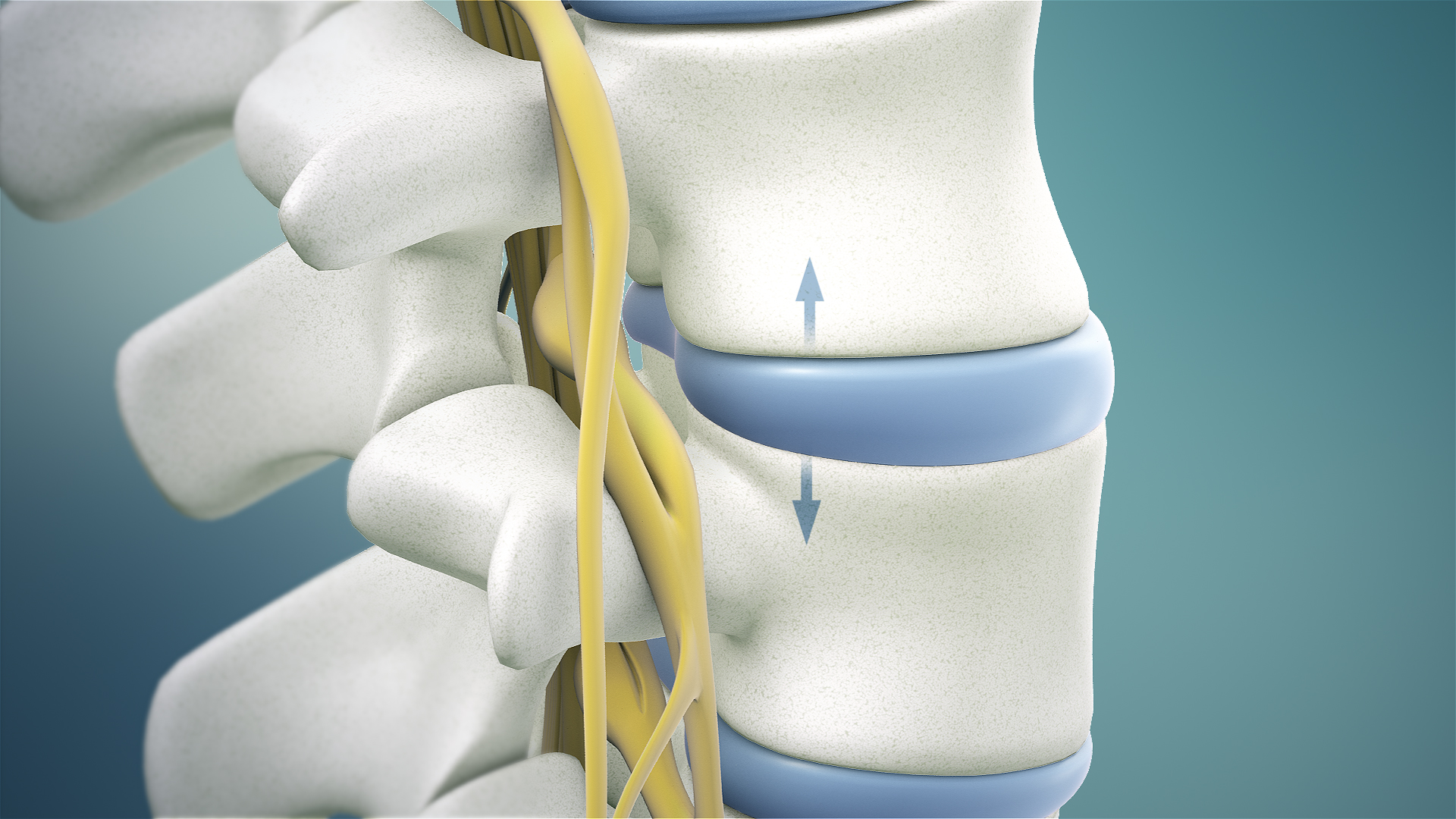
Spinal decompression therapy is a non-invasive, drug-free treatment that aims to relieve pressure on the spinal discs — the soft, gel-filled cushions positioned between the vertebrae of your spine. These discs serve an essential purpose by absorbing shock, maintaining flexibility, and supporting the overall structure and movement of the spine. However, over time, factors such as aging, injury, poor posture, repetitive strain, or degenerative conditions like osteoarthritis can cause these discs to become compressed, herniated, or bulging.

When a disc becomes compressed or damaged, it may press on nearby spinal nerves, leading to uncomfortable symptoms such as chronic back or neck pain, numbness, tingling, or weakness that may radiate into the arms or legs. Spinal decompression therapy works by gently stretching the spine using a specialized traction table or motorized device. This controlled movement creates negative pressure within the discs, encouraging them to retract and relieve pressure on the affected nerves. It also promotes the flow of oxygen, water, and nutrient-rich fluids into the discs, supporting natural healing.

This therapy is often used to treat conditions like herniated discs, sciatica, degenerative disc disease, and facet joint syndrome. Many patients experience significant pain relief, improved mobility, and enhanced overall spinal health through regular sessions.


How It Works

Spinal decompression therapy is a gentle, non-invasive treatment designed to relieve pressure on the spinal discs and nerves. Using a specialized traction table or computerized device, the therapy carefully stretches and relaxes the spine in a controlled and precise manner. This process creates negative pressure within the discs, allowing bulging or herniated disc material to retract back into its proper position. By reducing compression on the spinal nerves, it helps alleviate pain, numbness, and tingling often associated with conditions like herniated discs, sciatica, and degenerative disc disease.


In addition to relieving pressure, spinal decompression therapy enhances the flow of oxygen, water, and essential nutrients into the affected discs. This increased circulation supports natural healing, rehydration, and improved disc health over time. As the discs regain their strength and flexibility, patients often notice improved mobility and reduced discomfort.

Unlike surgery or invasive treatments, spinal decompression therapy is completely drug-free, safe, and painless. It provides a comfortable experience for patients seeking long-term relief from chronic back or neck pain without relying on medications, injections, or surgical intervention. Many patients report noticeable improvement after just a few sessions, with continued benefits throughout the treatment program as their spine gradually restores proper alignment and function.


Who Can Benefit from Spinal Decompression?

  • Spinal decompression therapy is a highly versatile treatment that can help a wide range of individuals experiencing back and neck issues. It is particularly effective for those suffering from herniated or bulging discs, as the therapy reduces pressure on the discs, alleviating nerve irritation and helping restore normal spinal function. Patients with sciatica, a condition characterized by pain radiating from the lower back down the legs, often experience significant relief as decompression reduces pressure on the sciatic nerve. 
  • Individuals struggling with chronic back pain often find lasting relief through spinal decompression therapy, which gently alleviates pressure on the spinal discs and nerves. This non-invasive approach not only reduces discomfort but also enhances daily functionality—allowing patients to move more freely and enjoy life without relying on medications or invasive surgery. For those diagnosed with degenerative disc disease, spinal decompression can help slow the progression of disc deterioration by improving nutrient flow, hydration, and circulation to the affected areas. Over time, this promotes better spinal health, increased mobility, and a more active, pain-free lifestyle through consistent and targeted treatment sessions.


  • Patients suffering from facet syndrome—a condition that leads to joint pain, inflammation, and stiffness caused by spinal degeneration—often experience noticeable relief and improved flexibility after undergoing spinal decompression therapy. This gentle, non-invasive treatment helps restore mobility by reducing pressure within the affected joints and promoting better spinal alignment. Likewise, individuals dealing with pinched nerves can benefit significantly from spinal decompression. By gently stretching the spine, the therapy alleviates pressure on compressed nerves, helping to restore proper nerve function. As a result, many patients report a decrease in pain, numbness, tingling, and weakness, allowing them to move more comfortably and freely.


  • While spinal decompression therapy has proven to be highly effective for many individuals, it’s essential to remember that every patient’s condition is unique. Factors such as the cause of your pain, the severity of disc damage, and overall spinal health can influence whether this treatment is right for you. Consulting with a trained and experienced chiropractor ensures a thorough evaluation of your specific needs. Through proper assessment, your chiropractor can determine if spinal decompression is a safe and beneficial option for your condition, helping you achieve the best possible results and long-term relief while minimizing any potential risks.


Benefits of Spinal Decompression Therapy

  • Spinal decompression therapy provides a wide range of benefits, making it an excellent alternative to traditional treatments such as surgery or long-term medication use. One of its greatest advantages is that it is both non-surgical and drug-free, allowing patients to avoid the risks, side effects, and lengthy recovery times often associated with invasive procedures. By using gentle, controlled spinal traction, this therapy targets the root cause of discomfort—compressed or damaged discs—without the need for incisions or pharmaceuticals. As a result, patients experience effective pain relief, improved mobility, and enhanced spinal health in a safe, comfortable, and natural way.


  • Another key benefit of spinal decompression therapy is effective pain relief without the need for medications. Many individuals struggling with chronic back or neck pain often depend on painkillers, which may cause side effects, build dependency, or provide only short-term comfort. In contrast, spinal decompression targets the root cause of the pain—compressed discs and irritated nerves—by gently relieving pressure and promoting proper spinal alignment. This approach not only reduces pain naturally but also supports healing and long-term recovery. As a result, patients experience lasting relief, improved function, and greater overall well-being without relying on drugs or invasive procedures.


  • Patients undergoing spinal decompression therapy often experience noticeable improvements in mobility and flexibility. By gently relieving pressure on the spinal discs and restoring proper alignment, the therapy helps reduce stiffness and tension throughout the back and neck. As spinal structures return to a more balanced position, movement becomes smoother and less restricted. Over time, patients typically notice an enhanced range of motion, allowing them to bend, twist, and move more freely during daily activities. This improved flexibility not only makes everyday tasks easier and more comfortable but also supports better posture, spinal health, and overall physical function in the long term.


  • Spinal decompression therapy not only relieves pressure on the spine but also promotes the body’s natural healing process. By gently stretching the spine, it increases the flow of oxygen, water, and vital nutrients into the spinal discs, encouraging rehydration, improved elasticity, and tissue repair. This enhanced circulation supports disc recovery and long-term spinal health. Additionally, treatment plans are fully customizable, designed to meet each patient’s specific condition, spinal alignment, and pain level. This personalized approach ensures that every session is both safe and effective, helping patients achieve optimal results, reduced discomfort, and improved mobility through targeted, non-invasive care.


What to Expect During Treatment

At Abundant Life Chiropractic in Chanhassen, MN, spinal decompression therapy is delivered through a professional, patient-focused approach designed for safety, comfort, and effectiveness. Every patient begins their journey with a comprehensive initial consultation, during which your chiropractor reviews your medical history, discusses your symptoms, and conducts a thorough physical examination. Depending on your condition, imaging tests such as X-rays or MRIs may be ordered to provide a detailed view of your spine and guide your treatment plan.


Following the consultation, a personalized treatment plan is developed based on your unique condition, pain level, lifestyle, and overall health goals. Each session is tailored to target specific problem areas, ensuring maximum benefit while maintaining patient comfort.


During the therapy session, you lie fully clothed on a specialized decompression table. The table gently stretches and relaxes your spine using computer-controlled traction, creating negative pressure in the spinal discs. This process relieves nerve compression, reduces inflammation, and encourages natural healing. Sessions typically last 30–45 minutes, and most patients find the experience relaxing and pain-free.


After each session, your chiropractor may provide post-treatment care, including exercises, ergonomic advice, and lifestyle recommendations to enhance results and prevent recurrence. Many patients notice improvement within a few weeks, though the total number of sessions varies depending on the severity of the condition.


FAQs About Spinal Decompression Therapy

Q1: Is spinal decompression therapy safe?
Yes, it is a non-invasive and safe alternative to surgery. Your chiropractor will screen you to ensure it’s appropriate for your condition.

Q2: Does spinal decompression therapy hurt?
Most patients experience little to no discomfort. Some may feel a gentle stretching or pulling sensation, which is completely normal.

Q3: How long does each session take?
Sessions typically last 30 to 45 minutes, depending on your treatment plan.

Q4: How many sessions will I need?
Treatment plans vary, but most patients undergo 20-28 sessions over several weeks for optimal results.

Q5: Can spinal decompression therapy cure my back pain permanently?
While results vary, many patients experience long-lasting relief, especially when combined with exercise, lifestyle changes, and proper ergonomics.

Q6: Is insurance accepted?
Abundant Life Chiropractic works with most insurance providers. Contact the office for verification and coverage details.


Conclusion

Spinal decompression therapy provides a safe, gentle, and highly effective solution for individuals struggling with chronic back pain, herniated discs, sciatica, and other spinal conditions. Unlike temporary pain relief methods, this therapy focuses on addressing the root cause of discomfort by relieving pressure on compressed spinal discs and nerves. Through a controlled, non-invasive process, it helps restore proper spinal alignment, improve circulation, and promote natural healing.


By targeting the underlying issue rather than simply masking symptoms, spinal decompression therapy allows patients to experience lasting relief, improved mobility, and an enhanced quality of life—all without the risks or downtime associated with surgery or medication.

If you’re experiencing back pain in Chanhassen, MN, it’s important not to ignore the signs or wait for them to worsen. Take charge of your health and start your journey toward a pain-free, active lifestyle with spinal decompression therapy at Abundant Life Chiropractic today.


Ready to experience gentle, non-surgical relief from back pain? At Abundant Life Chiropractic, we specialize in helping patients find lasting comfort and improved mobility through safe, effective spinal decompression therapy. This advanced, non-invasive treatment targets the root cause of your pain by relieving pressure on spinal discs and nerves, promoting natural healing, and restoring proper alignment. Whether you’re dealing with chronic back pain, sciatica, or herniated discs, our team will create a personalized plan tailored to your needs. Don’t wait to reclaim your comfort and confidence—contact Abundant Life Chiropractic today to schedule your consultation and start your journey toward a pain-free life.

Contact Information:

Website:abundantlifechiropractor.com

The post Spinal Decompression Therapy in Chanhassen, MN: Gentle, Non-Surgical Relief for Back Pain and Disc Injuries appeared first on Abundant Life Chiropractic Health Center.


from
https://abundantlifechiropractor.com/spinal-decompression-therapy-chanhassen-mn/

Monday, September 22, 2025

Sports Injury Rehabilitation: How Chiropractic Care Speeds Recovery

Sports Injury Rehabilitation: How Chiropractic Care Speeds Recovery

Chiropractic Solutions for Sports Injuries: Your Path to Recovery - Therapeutic Streams

Sports injuries can significantly impact athletes, affecting performance, training routines, and even daily life. Common injuries such as sprains, strains, tendonitis, and overuse injuries require careful rehabilitation to ensure a safe and effective recovery. While traditional treatments often involve medication or surgery, chiropractic care offers a natural, non-invasive alternative that focuses on the body’s ability to heal itself.

Chiropractic care addresses musculoskeletal imbalances, improves joint mobility, and reduces pain, which helps athletes regain strength and function more quickly. Techniques commonly used in sports injury rehabilitation include spinal and joint adjustments, soft tissue therapy, stretching, and exercise recommendations tailored to the athlete’s specific needs. By targeting the root cause of the injury rather than just the symptoms, chiropractic care not only accelerates recovery but also minimizes the risk of re-injury.

Additionally, chiropractors can provide guidance on proper biomechanics, posture, and training modifications to enhance performance and prevent future injuries. This holistic approach integrates injury treatment with overall physical health, supporting faster recovery and long-term wellness. For athletes aiming to return to peak performance safely, chiropractic care offers an effective, drug-free solution that promotes healing, restores mobility, and strengthens the body for sustained athletic success.


Understanding Sports Injuries

Sports injuries encompass a wide range of conditions that can affect athletes and active individuals, from acute injuries to chronic conditions. Acute injuries occur suddenly, usually due to trauma or a specific incident, and often require immediate attention. Common acute injuries include fractures, which involve a break in the bone and can range from simple hairline cracks to complex breaks; sprains, which are injuries to ligaments caused by overstretching or tearing, typically occurring in the ankles, knees, or wrists; and strains, which involve damage to muscles or tendons and are often the result of overstretching or overexertion. Other acute injuries include dislocations, where bones are forced out of their normal position, and contusions, commonly known as bruises, resulting from direct impact.

Chronic injuries develop over time due to repetitive stress, overuse, or improper technique. Examples include tendonitis, an inflammation of the tendons often seen in the shoulders, elbows, or knees; stress fractures, which are tiny cracks in the bone caused by repetitive force or overtraining; and shin splints, characterized by pain along the shinbone due to repetitive impact. Understanding the type and cause of a sports injury is essential for proper treatment, prevention, and rehabilitation, helping athletes return safely to their activities while minimizing the risk of recurrence.

  • Sprains and Strains: Ligament or muscle/tendon injuries due to overstretching or sudden movements.
  • Fractures: Breaks in bones often caused by trauma or impact.
  • Tendonitis: Inflammation of tendons due to repetitive motions.
  • Dislocations: Bones forced out of their normal position.
  • Overuse Injuries: Repeated stress causing tissue damage over time.

Early diagnosis and treatment are critical. Delayed or improper care can lead to prolonged recovery or permanent damage.


The Role of Chiropractic Care in Rehabilitation

Chiropractic care is a holistic healthcare approach that primarily focuses on the musculoskeletal system, with particular attention to the spine, joints, and surrounding soft tissues. Chiropractors are trained to assess, diagnose, and treat conditions that affect the alignment and function of the body, aiming to improve overall health and well-being. The central philosophy of chiropractic care is that proper alignment of the spine and joints is essential for the nervous system to function optimally, which in turn supports the body’s natural ability to heal itself.

Chiropractors use a variety of techniques, including spinal adjustments, joint mobilization, and soft tissue therapy, to address misalignments, reduce pain, and restore proper movement. These treatments are often complemented by lifestyle advice, exercises, and ergonomic recommendations to promote long-term musculoskeletal health. Chiropractic care can be beneficial for a wide range of conditions, such as back pain, neck pain, headaches, joint discomfort, and postural issues.

By focusing on alignment and function rather than solely treating symptoms, chiropractic care encourages the body to maintain balance and resilience. Patients often experience improved mobility, reduced pain, enhanced physical performance, and better overall wellness. In essence, chiropractic care supports the body’s natural healing processes while fostering long-term health and vitality.

.

Pain Reduction

Chiropractic adjustments help reduce pain by restoring proper alignment to the spine and joints, which improves overall body function. Misalignments, or subluxations, can irritate nerves, restrict movement, and cause muscle tension, leading to discomfort or chronic pain. By applying controlled, precise forces, chiropractors realign affected areas, relieving pressure on nerves and promoting better communication between the brain and body. This process can reduce inflammation, enhance joint mobility, and improve circulation, supporting the body’s natural healing mechanisms. Regular chiropractic care may also prevent future injuries, decrease reliance on pain medications, and promote long-term musculoskeletal health and overall well-being.

  • Improving joint mobility and alignment
  • Decreasing nerve irritation
  • Reducing muscle tension and inflammation

This can reduce the reliance on pain medications, which often have side effects.


Enhanced Healing

Chiropractic care plays a vital role in enhancing blood circulation, which is essential for overall health and injury recovery. By properly aligning the spine and joints, chiropractic adjustments reduce nerve interference and improve the flow of blood throughout the body. Increased circulation ensures that oxygen and vital nutrients reach injured tissues more efficiently, promoting faster healing. Additionally, improved blood flow helps remove metabolic waste and toxins from affected areas, reducing inflammation and swelling. This combination of accelerated tissue repair, reduced discomfort, and enhanced mobility makes chiropractic care a valuable, natural approach to supporting the body’s recovery processes and overall wellness.


Improved Mobility and Function

Through targeted spinal and joint adjustments, athletes can restore their range of motion, improve flexibility, and rebuild strength. These adjustments are especially crucial after injuries that restrict movement, such as shoulder, knee, or ankle injuries. By realigning the spine and joints, proper biomechanics are restored, reducing stress on muscles and ligaments and preventing compensatory movements that could lead to further injury. This approach enhances overall athletic performance by promoting smoother, more efficient movement patterns. Additionally, it supports faster recovery, helps manage pain, and minimizes the risk of re-injury, allowing athletes to safely return to their training and competitive routines.


Prevention of Future Injuries

Chiropractic care plays a crucial role in preventing recurring injuries by identifying and correcting biomechanical imbalances within the body. Misalignments in the spine or joints can lead to uneven stress on muscles, ligaments, and tendons, increasing the risk of strains, sprains, and other injuries. Through targeted adjustments, chiropractors restore proper alignment, which not only reduces pain and discomfort but also enhances overall body function. Proper alignment improves posture, allowing the body to move more efficiently, optimizes gait, and supports better coordination. Athletes, in particular, can experience improved performance, endurance, and reduced risk of future injuries


Chiropractic Techniques Used in Sports Rehabilitation

Chiropractors play a crucial role in managing athletic injuries by employing a variety of techniques tailored to the type of injury and the athlete’s specific needs. Their approach often begins with a thorough assessment, including physical examination and sometimes imaging, to determine the root cause of discomfort or dysfunction. Once the problem is identified, chiropractors use targeted spinal adjustments and manipulations to restore proper alignment and mobility, helping to alleviate pain and improve function.

In addition to spinal adjustments, soft tissue therapies, such as myofascial release, massage, and trigger point therapy, are commonly employed to address muscle tightness, inflammation, and tension that may limit performance or delay recovery. Chiropractors also integrate corrective exercises and stretching routines to strengthen weakened muscles, enhance flexibility, and prevent further injuries. For athletes recovering from more severe injuries, techniques like mobilization, kinesiology taping, and joint rehabilitation exercises may be incorporated to facilitate optimal healing.

Moreover, chiropractors often provide guidance on posture, biomechanics, and sport-specific training modifications to minimize strain and improve overall performance. By combining hands-on treatment with personalized rehabilitation strategies, chiropractic care helps athletes recover efficiently, maintain peak performance, and reduce the risk of recurring injuries, making it an integral part of sports medicine and athletic care.


  • Spinal Manipulation: Corrects misalignments to relieve nerve pressure and improve function.
  • Joint Mobilization: Gently moves joints to restore mobility and reduce stiffness.
  • Soft Tissue Therapy: Includes massage, myofascial release, and trigger point therapy.
  • Rehabilitation Exercises: Targeted exercises to strengthen muscles, improve balance, and restore function.
  • Electrical Stimulation and Ultrasound Therapy: Reduce pain, inflammation, and promote tissue repair.


Benefits of Chiropractic Care for Athletes

  1. Faster Recovery Times – Alignments and therapies accelerate healing.
  2. Reduced Pain and Inflammation – Natural alternatives to medications.
  3. Enhanced Performance – Improved mobility and flexibility aid athletic performance.
  4. Personalized Treatment Plans – Each plan is tailored to the athlete’s injury and goals.
  5. Holistic Approach – Focuses on the entire body, not just the injury.


Tips for Optimizing Sports Injury Recovery

  • Follow the Treatment Plan: Consistency is key for recovery.
  • Stay Active Safely: Gentle exercises recommended by your chiropractor can maintain strength.
  • Nutrition and Hydration: Proper nutrition supports tissue repair.
  • Rest and Sleep: Critical for healing.
  • Monitor Progress: Track improvements and communicate with your chiropractor.


Frequently Asked Questions (FAQs)

Q1: How soon should I see a chiropractor after a sports injury?
A1: Ideally, as soon as possible. Early intervention can prevent complications and speed recovery.

Q2: Are chiropractic treatments safe for all athletes?
A2: Yes, chiropractic care is generally safe for athletes of all ages when performed by a licensed professional.

Q3: Can chiropractic care replace surgery?
A3: In some cases, chiropractic care can prevent or reduce the need for surgery, but it depends on the severity of the injury.

Q4: How many sessions will I need?
A4: The number of sessions varies depending on the injury type, severity, and individual healing rate. Your chiropractor will create a personalized plan.

Q5: Is chiropractic care painful?
A5: Most adjustments are gentle and may cause mild soreness initially, similar to post-exercise muscle soreness.


Conclusion

Chiropractic care is a safe, effective, and holistic approach to sports injury rehabilitation. By reducing pain, enhancing healing, restoring mobility, and preventing future injuries, chiropractors play a critical role in helping athletes return to peak performance. Whether you are a professional athlete or enjoy recreational sports, integrating chiropractic care into your recovery plan can accelerate healing and improve overall well-being.


If you’re struggling with a sports injury and want to speed up your recovery, schedule a consultation with Abundant Life Chiropractic today. Our expert team provides personalized care to help you regain mobility, reduce pain, and get back to the activities you love.

Phone: (952) 300-8338
Email: ca@abundantlifechiropractor.com
Fax: (952) 737-1009
Address: 7945 Stone Creek Drive, Suite 120, Chanhassen, MN 55317
Website: abundantlifechiropractor.com

The post Sports Injury Rehabilitation: How Chiropractic Care Speeds Recovery appeared first on Abundant Life Chiropractic Health Center.


from
https://abundantlifechiropractor.com/early-warning-signs-of-neuropathy-2/

Monday, September 15, 2025

Early Warning Signs of Neuropathy You Shouldn’t Ignore

Early Warning Signs of Neuropathy You Shouldn’t Ignore

Living with Peripheral Neuropathy: Early Warning Signs You Shouldn't Ignore - Bellagio Foot and Ankle

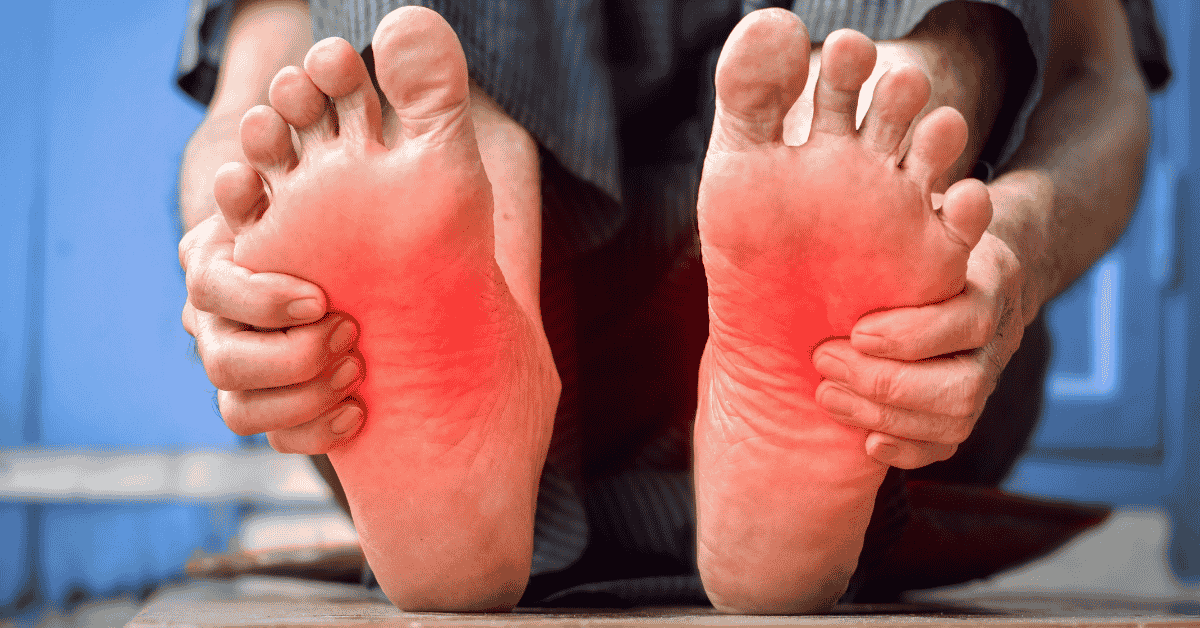
Neuropathy, often called peripheral neuropathy, is a condition that develops when the peripheral nerves — the vast network of nerves outside your brain and spinal cord — are damaged. These nerves are essential for carrying messages between your brain, spinal cord, and the rest of your body. When they become damaged, communication breaks down, which can lead to a variety of symptoms including pain, tingling, numbness, muscle weakness, and even problems with balance and coordination. These symptoms can interfere with everyday activities, making simple tasks such as walking, buttoning a shirt, or holding objects more difficult.

Catching neuropathy early is critical for preserving your health and quality of life. The sooner you notice and address its warning signs, the better your chances of slowing the progression of nerve damage and preventing it from becoming permanent. Early intervention can help reduce pain, improve mobility, and lower the risk of severe complications, such as infections or ulcers in the case of diabetic neuropathy.

In this article, we will explore the early warning signs of neuropathy, common causes behind the condition, and practical steps you can take to seek help and protect your nerve health.


What is Neuropathy?

Neuropathy is not a single disease but rather a symptom that results from damage to the nerves. It can affect different parts of the nervous system in several ways. When only one nerve is affected, it is called mononeuropathy. If several nerves are damaged in isolated areas of the body, it is referred to as multiple mononeuropathy. When many nerves throughout the body are involved, the condition is known as polyneuropathy, which is the most common type. The peripheral nervous system contains three main types of nerves — sensory, motor, and autonomic — and neuropathy can affect one or all of these. Sensory nerves transmit information like touch, pain, and temperature, while motor nerves control muscle movement. Autonomic nerves regulate involuntary functions such as heart rate, blood pressure, and digestion. Depending on which nerves are affected, neuropathy can cause symptoms ranging from pain and numbness to muscle weakness and organ dysfunction.

  • Sensory nerves – control sensations such as pain, temperature, and touch.
  • Motor nerves – control muscle movement.
  • Autonomic nerves – control involuntary functions such as blood pressure, heart rate, and digestion.

Depending on which nerves are affected, neuropathy can present very differently from one person to another.


Early Warning Signs of Neuropathy

Recognizing neuropathy early is crucial because timely treatment can help slow its progression and reduce long-term complications. The early signs of neuropathy can vary depending on which nerves are affected but often start subtly. One of the most common early symptoms is tingling or a “pins and needles” sensation, especially in the hands or feet. Some people may notice numbness, which can make it difficult to feel temperature changes or pain, increasing the risk of unnoticed injuries. Burning pain, sharp stabbing sensations, or heightened sensitivity to touch are also common early indicators. Muscle weakness or a feeling of heaviness in the legs may develop as motor nerves become affected. Changes in coordination or balance can occur as sensory feedback diminishes. In some cases, autonomic symptoms such as dizziness when standing, excessive sweating, or digestive problems may appear. Paying attention to these early warning signs is key to effective management.


Numbness and Tingling (Pins and Needles)

A common early sign is a tingling sensation in the hands, feet, arms, or legs. You may also notice numbness, which can feel like wearing an invisible glove or sock.


Burning or Sharp Pain

Unexplained burning sensations, stabbing pains, or electric-shock-like feelings can indicate nerve damage.


Heightened Sensitivity to Touch

Even light touches, such as clothing brushing against the skin, can become uncomfortable or painful.


Muscle Weakness

Difficulty lifting objects, climbing stairs, or performing everyday tasks could be an early sign of motor nerve involvement.


Loss of Coordination and Balance

Neuropathy can interfere with proprioception (your sense of where your body is in space), leading to clumsiness, unsteady walking, or frequent falls.


Changes in Temperature Sensation

You may struggle to sense hot or cold temperatures accurately, which can increase the risk of burns or frostbite.


Unusual Sweating or Lack of Sweating

Autonomic nerve damage can disrupt sweat gland function, causing too much or too little sweating.


Digestive Issues

Bloating, constipation, diarrhea, or nausea may be early indicators of neuropathy affecting the autonomic nerves.


Restlessness or Discomfort at Night

Many people notice neuropathy symptoms intensify at night, leading to difficulty sleeping.


Changes in Skin, Hair, or Nails

Nerve damage can cause thinning skin, hair loss, or brittle nails in affected areas.


Common Causes of Neuropathy

While diabetes is the most well-known cause of neuropathy, it is far from the only one. Neuropathy simply refers to nerve damage, and many different conditions, lifestyle factors, and external triggers can lead to it. Chronic alcohol use is a major cause, as excessive drinking can damage nerves and lead to nutritional deficiencies, particularly of B vitamins, which are essential for nerve health. Autoimmune diseases such as lupus, rheumatoid arthritis, and Guillain-Barré syndrome can trigger neuropathy when the immune system mistakenly attacks nerve tissues. Certain infections, including Lyme disease, shingles, hepatitis C, and HIV, can also harm the nerves. Exposure to toxins, heavy metals, or some industrial chemicals may contribute to nerve damage over time. Additionally, some chemotherapy drugs and other medications have neuropathy as a side effect. Physical trauma, repetitive stress injuries, or nerve compression (such as carpal tunnel syndrome) can result in mononeuropathy. Inherited disorders like Charcot-Marie-Tooth disease are another possible cause. Kidney disease, liver disease, and hypothyroidism can create metabolic imbalances that damage nerves as well. Because neuropathy has so many potential triggers, proper diagnosis is essential to find and treat the underlying cause effectively.

  • Diabetes – High blood sugar damages nerves over time.
  • Vitamin Deficiencies – Especially B vitamins.
  • Alcohol Abuse – Can cause nerve damage through nutritional deficiencies.
  • Autoimmune Disorders – Such as lupus or rheumatoid arthritis.
  • Infections – Lyme disease, shingles, HIV.
  • Medications – Certain chemotherapy drugs or antibiotics.
  • Trauma or Injury – Repetitive motion injuries or physical accidents.
  • Exposure to Toxins – Heavy metals, industrial chemicals.
  • Kidney or Liver Disease – Can lead to toxin buildup that damages nerves.

Understanding the cause is critical for choosing the right treatment plan.


Why Early Detection Matters

Recognizing the early signs of neuropathy is crucial for protecting your long-term health and quality of life. Neuropathy occurs when the peripheral nerves are damaged, often as a result of diabetes, vitamin deficiencies, infections, or other underlying conditions. If these warning signs are ignored, the damage can progress silently, becoming much harder to treat over time.

One of the most serious risks of delayed detection is permanent nerve damage. Once nerves lose the ability to regenerate, the damage becomes irreversible. This can lead to increased pain levels that become chronic and more difficult to manage with medication or therapy. Over time, neuropathy can also cause loss of mobility, as muscle weakness, balance problems, and poor coordination limit your independence and increase your risk of falls.

In severe cases, untreated neuropathy can result in dangerous complications, such as foot ulcers, slow-healing wounds, or infections that may ultimately require amputation—especially in people with diabetes.

The good news is that early detection and intervention can slow or even halt the progression of nerve damage. Seeking medical care promptly gives you the best chance to protect nerve function, reduce pain, and maintain your quality of life.


Treatment and Management

While neuropathy is not always fully reversible, early intervention can play a crucial role in preventing symptoms from getting worse and in improving nerve function. Seeking medical advice as soon as symptoms appear allows for proper diagnosis and treatment of the underlying cause, such as managing blood sugar, correcting nutritional deficiencies, or changing medications that may be contributing to nerve damage. Early treatment can also help relieve pain, restore strength, and improve coordination. By acting quickly, you can slow the progression of neuropathy, protect your nerves from further damage, and maintain a better quality of life over time.


Chiropractic Care

Chiropractic adjustments can be a helpful complementary approach for managing neuropathy symptoms. By gently realigning the spine and improving joint mobility, chiropractic care can relieve pressure on affected nerves, which may reduce pain and discomfort. Improved spinal alignment can also enhance blood flow and circulation, allowing nutrients and oxygen to reach damaged nerves more effectively. In addition, chiropractic adjustments may help reduce inflammation, which is often a contributing factor to nerve irritation. When combined with other treatments such as proper nutrition, exercise, and medical management, chiropractic care can support overall nerve health and improve quality of life for neuropathy patients.


Lifestyle Changes

  • Maintain healthy blood sugar levels.
  • Eat a nutrient-rich diet.
  • Exercise regularly to promote circulation.
  • Avoid alcohol and tobacco.


Supplements and Nutrition

Vitamin B-complex, alpha-lipoic acid, and omega-3 fatty acids are often recommended to support nerve health and manage neuropathy symptoms. B vitamins, particularly B1, B6, and B12, play a crucial role in maintaining healthy nerve function and repairing damaged nerves. Alpha-lipoic acid is a powerful antioxidant that can help reduce oxidative stress and inflammation, which are common contributors to nerve damage. Omega-3 fatty acids, found in fish oil and flaxseed, support overall nerve cell structure and promote anti-inflammatory effects. Incorporating these nutrients, either through diet or supplements, may improve nerve function, reduce discomfort, and slow neuropathy progression when used consistently.


Medications

Pain relievers, antidepressants, and anticonvulsants are commonly prescribed to help manage neuropathy-related pain. Over-the-counter pain relievers like acetaminophen or NSAIDs may provide relief for mild discomfort, while stronger prescription medications may be needed for more severe pain. Certain antidepressants, such as SNRIs or tricyclic antidepressants, can help alter how the brain processes pain signals, reducing neuropathic pain. Anticonvulsant medications, originally developed for epilepsy, can also calm overactive nerves and lessen pain sensations. These treatments are often part of a comprehensive approach, used alongside lifestyle changes, physical therapy, and supplements to help improve quality of life and maintain daily function.


Alternative Therapies

Acupuncture, massage therapy, and physical therapy can be excellent complementary treatments for neuropathy. Acupuncture helps stimulate nerve pathways, improve circulation, and release natural pain-relieving chemicals in the body, which may reduce discomfort. Massage therapy promotes better blood flow, relieves muscle tension, and can help reduce pain and stress associated with neuropathy. Physical therapy focuses on exercises that strengthen muscles, improve coordination, and maintain mobility, helping prevent falls and further complications. When combined with medical management, these therapies provide a holistic approach to neuropathy care, enhancing overall well-being, reducing symptoms, and supporting a higher quality of life for those affected.


FAQs

Q: Can neuropathy be cured?
A: In some cases, yes — if the underlying cause is treated early. In others, symptoms can be managed but not fully reversed.

Q: How do I know if my numbness is serious?
A: Persistent numbness, tingling, or pain that does not go away should be evaluated by a healthcare provider.

Q: Can chiropractic care really help neuropathy?
A: Many patients experience reduced pain, improved nerve function, and better overall wellness with chiropractic care.

Q: What happens if neuropathy is left untreated?
A: It can progress to severe nerve damage, chronic pain, loss of mobility, and other complications.

Q: How soon should I see a chiropractor?
A: As soon as you notice early signs like tingling, numbness, or unexplained pain — early intervention is key.


Conclusion

Neuropathy is a condition that can greatly impact your quality of life, but early detection and timely intervention can make a significant difference in managing it. When nerve damage is caught early, there is a better chance of slowing or even preventing further progression. If you begin to notice warning signs such as numbness, tingling, burning pain, muscle weakness, or balance issues, it’s important to take them seriously and consult a healthcare professional right away. Ignoring these symptoms can allow the condition to worsen, increasing the risk of permanent nerve damage and potential loss of function. Early treatment may involve managing underlying causes, such as controlling blood sugar in diabetes, addressing vitamin deficiencies, or adjusting medications that contribute to nerve damage. Taking action promptly can help preserve your mobility, reduce pain, and maintain independence, leading to a better overall quality of life.


At Abundant Life Chiropractic, we are committed to helping you live pain-free and restore your health naturally. If you’re experiencing symptoms of neuropathy, schedule a consultation today to discuss your treatment options.

Phone: (952) 300-8338
Email: ca@abundantlifechiropractor.com
Fax: (952) 737-1009
Address: 7945 Stone Creek Drive, Suite 120, Chanhassen, MN 55317
Website: abundantlifechiropractor.com

Take control of your health — your nerves will thank you!

The post Early Warning Signs of Neuropathy You Shouldn’t Ignore appeared first on Abundant Life Chiropractic Health Center.


from
https://abundantlifechiropractor.com/early-warning-signs-of-neuropathy/

Monday, September 8, 2025

SoftWave Therapy: A Cutting-Edge Solution for Pain Relief and Faster Healing

SoftWave Therapy: A Cutting-Edge Solution for Pain Relief and Faster Healing

Softwave Therapy

Pain is one of the leading reasons people seek medical care, whether from chronic conditions like arthritis or acute injuries from sports and accidents. While traditional treatments such as medications, injections, or surgery can provide relief, they often come with side effects, risks, or extended recovery periods. SoftWave Therapy offers a revolutionary alternative for pain management and tissue healing.

SoftWave Therapy is a non-invasive, drug-free treatment that uses low-intensity shock waves to stimulate the body’s natural healing processes. By enhancing blood flow, reducing inflammation, and promoting cellular regeneration, it accelerates tissue repair and helps alleviate pain. Its gentle approach makes it safe and effective for patients of all ages.

This therapy has gained popularity in chiropractic care, physical therapy, orthopedics, and sports medicine. It is commonly used to treat conditions such as plantar fasciitis, tendonitis, joint pain, muscle injuries, and post-surgical recovery. Unlike traditional methods, SoftWave Therapy requires no anesthesia, minimal downtime, and carries virtually no risk of complications.

With its ability to provide lasting pain relief and support faster healing, SoftWave Therapy is emerging as a cutting-edge solution for those seeking effective, non-invasive care. It represents a promising shift toward safer, more natural approaches to pain management and overall wellness.


What is SoftWave Therapy?

SoftWave Therapy, also known as Extracorporeal Shockwave Therapy (ESWT), is an innovative treatment that uses acoustic waves to interact with the body’s tissues. Unlike traditional high-intensity shockwave therapy, SoftWave is gentle and virtually painless, making it suitable for a wide range of patients, including those with sensitive conditions or chronic pain.

The therapy delivers low-intensity acoustic waves directly to the affected area, where they stimulate natural healing processes at the cellular level. These acoustic waves promote increased blood circulation, which enhances oxygen and nutrient delivery to damaged tissues, supporting faster recovery. They also encourage the production of growth factors, which help regenerate cells and repair injured tissues, tendons, and ligaments. Additionally, SoftWave Therapy can reduce inflammation and relieve pain by modulating nerve activity in the targeted area, providing long-lasting relief without the need for medications or invasive procedures.

SoftWave is versatile and can be applied to a variety of conditions, including musculoskeletal injuries, joint pain, plantar fasciitis, tendonitis, and chronic wounds. Its non-invasive nature and minimal side effects make it a preferred option for patients seeking effective, safe, and natural healing. By harnessing the body’s own regenerative capabilities, SoftWave Therapy offers a modern approach to pain management and tissue repair, improving overall mobility and quality of life.

  • Increased blood flow: Improving circulation is essential for overall health and recovery. Enhanced blood flow ensures that oxygen and vital nutrients are efficiently delivered to every part of the body, supporting the repair and regeneration of tissues. This process is crucial for healing wounds, reducing inflammation, and accelerating recovery from injuries or illness. Proper circulation also aids in the removal of waste products and toxins from cells, promoting overall cellular health. Techniques such as regular exercise, massage, hydration, and certain therapies can stimulate blood flow, helping the body to function optimally. In this way, better circulation directly supports faster, more effective healing and long-term wellness.

  • Collagen production: This substance stimulates fibroblasts, the specialized cells responsible for producing collagen, which is a critical structural protein in connective tissue. By activating these cells, it encourages the synthesis of collagen fibers, enhancing the integrity, elasticity, and strength of the tissue. Increased collagen production helps repair damaged tissue, supports wound healing, and maintains the firmness and resilience of skin and other connective structures. Over time, this process can improve tissue density, reduce the appearance of fine lines or scars, and promote overall tissue health. Essentially, it plays a vital role in maintaining the body’s structural support and regenerative capacity.

  • Cell regeneration: Stem cells have a remarkable ability to repair and regenerate damaged tissues, making them a powerful tool in modern medicine. When activated, these cells can differentiate into specialized cell types, replacing injured or diseased cells and restoring normal tissue function. This regenerative process helps accelerate healing, reduce inflammation, and improve overall tissue health. Therapies that stimulate stem cell activation are being explored for conditions such as heart disease, joint degeneration, neurodegenerative disorders, and injuries. By harnessing the natural repair mechanisms of the body, activated stem cells offer promising solutions for enhancing recovery, improving quality of life, and potentially reversing tissue damage.

  • Pain modulation:Certain natural remedies and lifestyle practices can help reduce nerve sensitivity and decrease inflammation, promoting overall comfort and wellness. Anti-inflammatory foods such as turmeric, ginger, fatty fish, and leafy greens help calm the body’s inflammatory response, while antioxidants from fruits like berries and citrus protect nerves from oxidative stress. Regular physical activity improves circulation and supports nerve health, while adequate sleep allows the body to repair and regenerate damaged tissues. Mind-body practices like yoga, meditation, and deep breathing can reduce stress, which often worsens nerve sensitivity. Staying hydrated and avoiding processed foods further supports nervous system function and overall inflammation control.

Because of these mechanisms, SoftWave Therapy is often used not only for pain relief but also for accelerating the body’s natural healing process.


How Does SoftWave Therapy Work?

SoftWave Therapy is an advanced, non-invasive treatment that utilizes a hand-held device to deliver acoustic waves directly to injured or painful tissues. These acoustic waves, also known as shockwaves, help stimulate the body’s natural healing processes by increasing blood flow, enhancing cell regeneration, and reducing inflammation in the affected area. The therapy is designed to target specific tissues, making it highly precise and effective for a variety of conditions, including chronic pain, tendon injuries, joint pain, and musculoskeletal disorders.

During a typical SoftWave Therapy session, a trained practitioner applies the device to the affected area. The acoustic waves penetrate the tissue, promoting microcirculation and stimulating the repair of damaged cells. Patients often describe the sensation as a mild pulsating or tapping feeling, which is generally well-tolerated. Each session usually lasts between 15 and 30 minutes, depending on the severity and type of condition being treated.

SoftWave Therapy is particularly valued for being non-surgical and drug-free, offering an alternative to more invasive procedures. Many patients report noticeable improvements in pain levels and mobility after a few sessions. Its versatility and effectiveness make it a widely adopted option in physical therapy clinics, sports medicine, and rehabilitation centers, supporting faster recovery and enhanced overall wellness.


Here’s a step-by-step overview of the process:

  1. Assessment:The chiropractor or healthcare provider begins by thoroughly evaluating the patient’s condition, reviewing medical history, symptoms, and any previous treatments. This assessment helps determine whether SoftWave Therapy is appropriate and likely to be effective. During the evaluation, the provider may perform physical examinations, imaging tests, or other diagnostic procedures to gain a clear understanding of the patient’s musculoskeletal health. They consider factors such as the severity of pain, range of motion, and overall physical function. Based on these findings, the provider can develop a personalized treatment plan, ensuring that SoftWave Therapy is safely and effectively applied to address the patient’s specific needs.

  2. Preparation:A specialized gel is applied to the targeted area to ensure the optimal transmission of acoustic waves during procedures such as ultrasounds or therapeutic treatments. This gel acts as a conductive medium, eliminating air pockets that can interfere with wave propagation. By creating a seamless interface between the device and the skin, it allows sound waves to pass efficiently, producing clearer imaging or more effective therapy. The gel is typically water-based, hypoallergenic, and easy to apply and remove, providing both comfort and safety. Its use significantly enhances the accuracy and reliability of the procedure, ensuring precise results.

  3. Treatment:The SoftWave device is designed to deliver low-intensity shockwaves directly to targeted tissue, promoting healing and regeneration. During the treatment, patients may experience a mild tingling, gentle pulsating, or slight tapping sensation at the site of application. Unlike high-intensity therapies, SoftWave is generally painless and does not require anesthesia or significant recovery time. Most patients tolerate the procedure very well, and it is often described as comfortable and non-invasive. The treatment is suitable for a variety of musculoskeletal conditions, supporting tissue repair, reducing inflammation, and improving overall function without causing discomfort or disruption to daily activities.

  4. Post-treatment: There is minimal downtime. Most patients can return to their daily activities immediately.

The therapy is non-invasive and doesn’t require anesthesia or recovery periods, which makes it an attractive alternative to surgeries or injections.


Conditions Treated with SoftWave Therapy

SoftWave Therapy is a highly versatile treatment that has gained recognition for its effectiveness in addressing a wide range of musculoskeletal conditions. By using advanced acoustic wave technology, this therapy helps stimulate the body’s natural healing processes, improving blood circulation, reducing inflammation, and promoting tissue regeneration. One of the most common applications of SoftWave Therapy is in treating chronic pain conditions such as tendinitis, plantar fasciitis, and tennis elbow. It is especially helpful for individuals who have not responded well to traditional treatments like medications, injections, or physical therapy.

Athletes and active individuals often turn to SoftWave Therapy to accelerate recovery from sports-related injuries, including muscle strains, ligament sprains, and joint pain. Its non-invasive nature makes it an attractive alternative to surgery, allowing patients to return to their daily activities and sports more quickly. In addition to treating acute injuries, SoftWave Therapy has shown excellent results in managing degenerative conditions like osteoarthritis by reducing pain and improving mobility.

Another benefit is its ability to target hard-to-heal injuries such as nonunion fractures or chronic wounds, where it stimulates tissue repair and regeneration. With its wide range of applications, SoftWave Therapy provides an innovative, safe, and effective solution for musculoskeletal health and long-term recovery.


1. Chronic Pain

SoftWave Therapy is highly effective in treating chronic pain conditions such as:

  • Arthritis

  • Tendinitis

  • Plantar fasciitis

  • Frozen shoulder

  • Lower back pain

By reducing inflammation and stimulating tissue repair, patients often experience significant pain relief after just a few sessions.


2. Sports Injuries

Athletes frequently use SoftWave Therapy for faster recovery from injuries, including:

  • Muscle strains

  • Ligament sprains

  • Tennis elbow

  • Achilles tendonitis

  • Shin splints

The therapy accelerates tissue regeneration, helping athletes return to their sport more quickly.


3. Post-Surgical Recovery

SoftWave Therapy can be incorporated into post-operative care to:

  • Reduce scar tissue

  • Enhance blood circulation

  • Speed up healing

  • Minimize post-surgery pain

This allows patients to recover faster without relying heavily on pain medications.


4. Joint and Muscle Conditions

For conditions like joint degeneration or muscle stiffness, SoftWave Therapy:

  • Stimulates cartilage regeneration

  • Reduces stiffness and inflammation

  • Improves mobility and range of motion


Benefits of SoftWave Therapy

SoftWave Therapy offers multiple benefits compared to traditional treatments:

  1. Non-invasive: No surgery, no needles, and no medications required.

  2. Minimal side effects: Some patients may experience mild redness or soreness, but serious side effects are rare.

  3. Accelerated healing: Speeds up tissue repair and recovery.

  4. Pain relief: Targets the root cause of pain instead of only masking symptoms.

  5. Safe for all ages: Gentle enough for older adults and those with sensitive conditions.

  6. Convenient: Sessions are typically short, and downtime is minimal.

These advantages make SoftWave Therapy a preferred option for patients seeking effective and natural healing solutions.


What to Expect During a SoftWave Therapy Session

A typical session involves the following steps:

  • Consultation: Discuss your symptoms and treatment goals with your chiropractor.

  • Treatment Planning: The provider identifies the exact area of injury or pain.

  • Therapy Session: Acoustic waves are applied. You may feel a mild tingling sensation.

  • Follow-up: Most patients require multiple sessions over several weeks for optimal results.

Patients usually notice improvement in pain and mobility after a few treatments, with continued healing over time.


Who Can Benefit from SoftWave Therapy?

SoftWave Therapy is suitable for:

  • People with chronic pain conditions

  • Athletes and active individuals recovering from injuries

  • Older adults seeking non-invasive treatment for joint or muscle issues

  • Patients who want to avoid surgery or heavy medication use

However, it may not be suitable for individuals with certain conditions, such as:

  • Pregnant women

  • Patients with active infections or tumors in the treatment area

  • Individuals with bleeding disorders

Always consult your healthcare provider to determine if SoftWave Therapy is right for you.


FAQs About SoftWave Therapy

Q1: Is SoftWave Therapy painful?
A1: No, it is generally painless. Some patients may feel a tingling or pulsating sensation, but it is well-tolerated.

Q2: How long does each session last?
A2: Most sessions take 15–30 minutes depending on the condition being treated.

Q3: How many sessions are needed?
A3: Typically, patients require 4–6 sessions, spaced 1–2 weeks apart. Your provider will create a treatment plan based on your needs.

Q4: Are there any side effects?
A4: Side effects are minimal and may include mild redness or temporary soreness.

Q5: Can I return to daily activities after treatment?
A5: Yes, there is minimal downtime, and patients can usually resume their regular activities immediately.

Q6: How quickly will I see results?
A6: Many patients notice improvement after 1–3 sessions, with continued benefits over time.

Q7: Is SoftWave Therapy covered by insurance?
A7: Coverage varies. It’s best to check with your insurance provider and your clinic for details.


Conclusion

SoftWave Therapy represents a cutting-edge, non-invasive approach to pain relief and faster healing. By using low-intensity shockwaves, it stimulates the body’s natural regenerative processes, reduces inflammation, and alleviates pain without surgery or medications. Whether you suffer from chronic pain, sports injuries, joint issues, or post-surgical discomfort, SoftWave Therapy can help you get back to your active, pain-free life.

With minimal side effects, convenient sessions, and proven effectiveness, it’s no wonder SoftWave Therapy is rapidly becoming a preferred treatment in chiropractic and physical medicine.

If you are struggling with pain or want to accelerate your healing process, don’t wait any longer. Experience the benefits of SoftWave Therapy and regain your quality of life today.

Contact Abundant Life Chiropractic:

Schedule your consultation now and take the first step toward pain-free living!

The post SoftWave Therapy: A Cutting-Edge Solution for Pain Relief and Faster Healing appeared first on Abundant Life Chiropractic Health Center.


from
https://abundantlifechiropractor.com/softwave-therapy-pain-relief-faster-healing-2/

Monday, September 1, 2025

Sports Injury Rehabilitation: How Chiropractic Care Speeds Recovery

Sports Injury Rehabilitation: How Chiropractic Care Speeds Recovery

The Role of Chiropractic Care in Sports Injury Recovery at Wesley Chapel Spine and Sports Medicine - Wesley Chapel Spine and Sport Medicine

Sports injuries can significantly impact athletes, affecting performance, training routines, and even daily life. Common injuries such as sprains, strains, tendonitis, and overuse injuries require careful rehabilitation to ensure a safe and effective recovery. While traditional treatments often involve medication or surgery, chiropractic care offers a natural, non-invasive alternative that focuses on the body’s ability to heal itself.

Chiropractic care addresses musculoskeletal imbalances, improves joint mobility, and reduces pain, which helps athletes regain strength and function more quickly. Techniques commonly used in sports injury rehabilitation include spinal and joint adjustments, soft tissue therapy, stretching, and exercise recommendations tailored to the athlete’s specific needs. By targeting the root cause of the injury rather than just the symptoms, chiropractic care not only accelerates recovery but also minimizes the risk of re-injury.

Additionally, chiropractors can provide guidance on proper biomechanics, posture, and training modifications to enhance performance and prevent future injuries. This holistic approach integrates injury treatment with overall physical health, supporting faster recovery and long-term wellness. For athletes aiming to return to peak performance safely, chiropractic care offers an effective, drug-free solution that promotes healing, restores mobility, and strengthens the body for sustained athletic success.


Understanding Sports Injuries

Sports injuries encompass a wide range of conditions that can affect athletes and active individuals, from acute injuries to chronic conditions. Acute injuries occur suddenly, usually due to trauma or a specific incident, and often require immediate attention. Common acute injuries include fractures, which involve a break in the bone and can range from simple hairline cracks to complex breaks; sprains, which are injuries to ligaments caused by overstretching or tearing, typically occurring in the ankles, knees, or wrists; and strains, which involve damage to muscles or tendons and are often the result of overstretching or overexertion. Other acute injuries include dislocations, where bones are forced out of their normal position, and contusions, commonly known as bruises, resulting from direct impact.

Chronic injuries develop over time due to repetitive stress, overuse, or improper technique. Examples include tendonitis, an inflammation of the tendons often seen in the shoulders, elbows, or knees; stress fractures, which are tiny cracks in the bone caused by repetitive force or overtraining; and shin splints, characterized by pain along the shinbone due to repetitive impact. Understanding the type and cause of a sports injury is essential for proper treatment, prevention, and rehabilitation, helping athletes return safely to their activities while minimizing the risk of recurrence.

  • Sprains and Strains: Ligament or muscle/tendon injuries due to overstretching or sudden movements.
  • Fractures: Breaks in bones often caused by trauma or impact.
  • Tendonitis: Inflammation of tendons due to repetitive motions.
  • Dislocations: Bones forced out of their normal position.
  • Overuse Injuries: Repeated stress causing tissue damage over time.

Early diagnosis and treatment are critical. Delayed or improper care can lead to prolonged recovery or permanent damage.


The Role of Chiropractic Care in Rehabilitation

Chiropractic care is a holistic healthcare approach that primarily focuses on the musculoskeletal system, with particular attention to the spine, joints, and surrounding soft tissues. Chiropractors are trained to assess, diagnose, and treat conditions that affect the alignment and function of the body, aiming to improve overall health and well-being. The central philosophy of chiropractic care is that proper alignment of the spine and joints is essential for the nervous system to function optimally, which in turn supports the body’s natural ability to heal itself.

Chiropractors use a variety of techniques, including spinal adjustments, joint mobilization, and soft tissue therapy, to address misalignments, reduce pain, and restore proper movement. These treatments are often complemented by lifestyle advice, exercises, and ergonomic recommendations to promote long-term musculoskeletal health. Chiropractic care can be beneficial for a wide range of conditions, such as back pain, neck pain, headaches, joint discomfort, and postural issues.

By focusing on alignment and function rather than solely treating symptoms, chiropractic care encourages the body to maintain balance and resilience. Patients often experience improved mobility, reduced pain, enhanced physical performance, and better overall wellness. In essence, chiropractic care supports the body’s natural healing processes while fostering long-term health and vitality.

.

1. Pain Reduction

Chiropractic adjustments play a vital role in reducing pain and supporting the body’s natural healing process. These adjustments work by restoring proper alignment to the spine and joints, which improves overall body function and balance. When the spine or joints are misaligned—a condition known as subluxation—it can lead to nerve irritation, restricted movement, and increased muscle tension. Over time, these issues may cause discomfort, reduced mobility, or even chronic pain if left unaddressed.

By applying controlled and precise forces to the affected areas, chiropractors are able to realign the spine and joints. This gentle correction relieves pressure on nerves, allowing for clearer communication between the brain and the rest of the body. As a result, patients often experience reduced inflammation, improved joint mobility, and better circulation. These improvements not only support faster recovery from injuries but also enhance the body’s ability to function optimally.

Beyond immediate pain relief, regular chiropractic care offers long-term benefits. It can help prevent future injuries by keeping the musculoskeletal system balanced, reduce dependency on pain medications, and promote greater resilience against stress or strain. For many individuals, chiropractic adjustments are an essential component of maintaining overall health, mobility, and long-term well-being.

  • Improving joint mobility and alignment
  • Decreasing nerve irritation
  • Reducing muscle tension and inflammation

This can reduce the reliance on pain medications, which often have side effects.


2. Enhanced Healing

Chiropractic care plays a vital role in enhancing blood circulation, which is essential for overall health and injury recovery. By properly aligning the spine and joints, chiropractic adjustments reduce nerve interference and improve the flow of blood throughout the body. Increased circulation ensures that oxygen and vital nutrients reach injured tissues more efficiently, promoting faster healing. Additionally, improved blood flow helps remove metabolic waste and toxins from affected areas, reducing inflammation and swelling. This combination of accelerated tissue repair, reduced discomfort, and enhanced mobility makes chiropractic care a valuable, natural approach to supporting the body’s recovery processes and overall wellness.


3. Improved Mobility and Function

Through targeted spinal and joint adjustments, athletes can restore their range of motion, improve flexibility, and rebuild strength. These adjustments are especially crucial after injuries that restrict movement, such as shoulder, knee, or ankle injuries. By realigning the spine and joints, proper biomechanics are restored, reducing stress on muscles and ligaments and preventing compensatory movements that could lead to further injury. This approach enhances overall athletic performance by promoting smoother, more efficient movement patterns. Additionally, it supports faster recovery, helps manage pain, and minimizes the risk of re-injury, allowing athletes to safely return to their training and competitive routines.


4. Prevention of Future Injuries

Chiropractic care plays a crucial role in preventing recurring injuries by identifying and correcting biomechanical imbalances within the body. Misalignments in the spine or joints can lead to uneven stress on muscles, ligaments, and tendons, increasing the risk of strains, sprains, and other injuries. Through targeted adjustments, chiropractors restore proper alignment, which not only reduces pain and discomfort but also enhances overall body function. Proper alignment improves posture, allowing the body to move more efficiently, optimizes gait, and supports better coordination. Athletes, in particular, can experience improved performance, endurance, and reduced risk of future injuries


Chiropractic Techniques Used in Sports Rehabilitation

Chiropractors play a crucial role in managing athletic injuries by employing a variety of techniques tailored to the type of injury and the athlete’s specific needs. Their approach often begins with a thorough assessment, including physical examination and sometimes imaging, to determine the root cause of discomfort or dysfunction. Once the problem is identified, chiropractors use targeted spinal adjustments and manipulations to restore proper alignment and mobility, helping to alleviate pain and improve function.

In addition to spinal adjustments, soft tissue therapies, such as myofascial release, massage, and trigger point therapy, are commonly employed to address muscle tightness, inflammation, and tension that may limit performance or delay recovery. Chiropractors also integrate corrective exercises and stretching routines to strengthen weakened muscles, enhance flexibility, and prevent further injuries. For athletes recovering from more severe injuries, techniques like mobilization, kinesiology taping, and joint rehabilitation exercises may be incorporated to facilitate optimal healing.

Moreover, chiropractors often provide guidance on posture, biomechanics, and sport-specific training modifications to minimize strain and improve overall performance. By combining hands-on treatment with personalized rehabilitation strategies, chiropractic care helps athletes recover efficiently, maintain peak performance, and reduce the risk of recurring injuries, making it an integral part of sports medicine and athletic care.

  • Spinal Manipulation: Corrects misalignments to relieve nerve pressure and improve function.
  • Joint Mobilization: Gently moves joints to restore mobility and reduce stiffness.
  • Soft Tissue Therapy: Includes massage, myofascial release, and trigger point therapy.
  • Rehabilitation Exercises: Targeted exercises to strengthen muscles, improve balance, and restore function.
  • Electrical Stimulation and Ultrasound Therapy: Reduce pain, inflammation, and promote tissue repair.


Benefits of Chiropractic Care for Athletes

  1. Faster Recovery Times – Alignments and therapies accelerate healing.
  2. Reduced Pain and Inflammation – Natural alternatives to medications.
  3. Enhanced Performance – Improved mobility and flexibility aid athletic performance.
  4. Personalized Treatment Plans – Each plan is tailored to the athlete’s injury and goals.
  5. Holistic Approach – Focuses on the entire body, not just the injury.


Tips for Optimizing Sports Injury Recovery

  • Follow the Treatment Plan: Consistency is key for recovery.
  • Stay Active Safely: Gentle exercises recommended by your chiropractor can maintain strength.
  • Nutrition and Hydration: Proper nutrition supports tissue repair.
  • Rest and Sleep: Critical for healing.
  • Monitor Progress: Track improvements and communicate with your chiropractor.


Conclusion

Chiropractic care offers a safe, effective, and holistic approach to sports injury rehabilitation, making it an essential component for athletes at every level. Sports injuries can range from minor strains and sprains to more complex joint or muscle issues, and chiropractors are trained to address these conditions by focusing on the body’s musculoskeletal system. Through spinal adjustments, soft tissue therapy, and corrective exercises, chiropractic treatment helps reduce pain, enhance healing, and restore proper mobility.

One of the key benefits of chiropractic care in sports rehabilitation is its ability to not only treat existing injuries but also to identify and correct underlying biomechanical imbalances that could contribute to recurring problems. By improving alignment, flexibility, and strength, chiropractors can help prevent future injuries, ensuring athletes maintain long-term health and performance.

For professional athletes, staying in top physical condition is crucial, and chiropractic care provides natural, drug-free support to optimize recovery and performance. Recreational athletes can also benefit, as it helps them return to their favorite activities more quickly and safely. Whether you are competing at an elite level or simply enjoy an active lifestyle, integrating chiropractic care into your recovery plan can accelerate healing, improve overall well-being, and keep you performing at your best.


If you’re struggling with a sports injury and want to speed up your recovery, schedule a consultation with Abundant Life Chiropractic today. Our expert team provides personalized care to help you regain mobility, reduce pain, and get back to the activities you love.

Phone: (952) 300-8338
Email: ca@abundantlifechiropractor.com
Fax: (952) 737-1009
Address: 7945 Stone Creek Drive, Suite 120, Chanhassen, MN 55317
Website: abundantlifechiropractor.com

Q1: How soon should I see a chiropractor after a sports injury?

A1: Ideally, as soon as possible. Early intervention can prevent complications and speed recovery.

Q2: Are chiropractic treatments safe for all athletes?

A2: Yes, chiropractic care is generally safe for athletes of all ages when performed by a licensed professional.

Q3: Can chiropractic care replace surgery?

A3: In some cases, chiropractic care can prevent or reduce the need for surgery, but it depends on the severity of the injury.

Q4: How many sessions will I need?

A4: The number of sessions varies depending on the injury type, severity, and individual healing rate. Your chiropractor will create a personalized plan.

Q5: Is chiropractic care painful?

A5: Most adjustments are gentle and may cause mild soreness initially, similar to post-exercise muscle soreness.

The post Sports Injury Rehabilitation: How Chiropractic Care Speeds Recovery appeared first on Abundant Life Chiropractic Health Center.


from
https://abundantlifechiropractor.com/sports-injury-rehabilitation-chiropractic-care/

SoftWave Therapy: The Non-Invasive Solution for Chronic Aches and Injuries

SoftWave Therapy: The Non-Invasive Solution for Chronic Aches and Injuries Millions of people suffer from chronic aches, mobility issues, ...